Turbo Pudding
Every window in Vitrea is stained glass, and in Panemonium every pane is drawn the way a real one is built: colored glass, a dark line of lead around each piece, and a glow from inside. It’s Thursday, so here is the real craft behind our town, from the furnace to the street lamp.
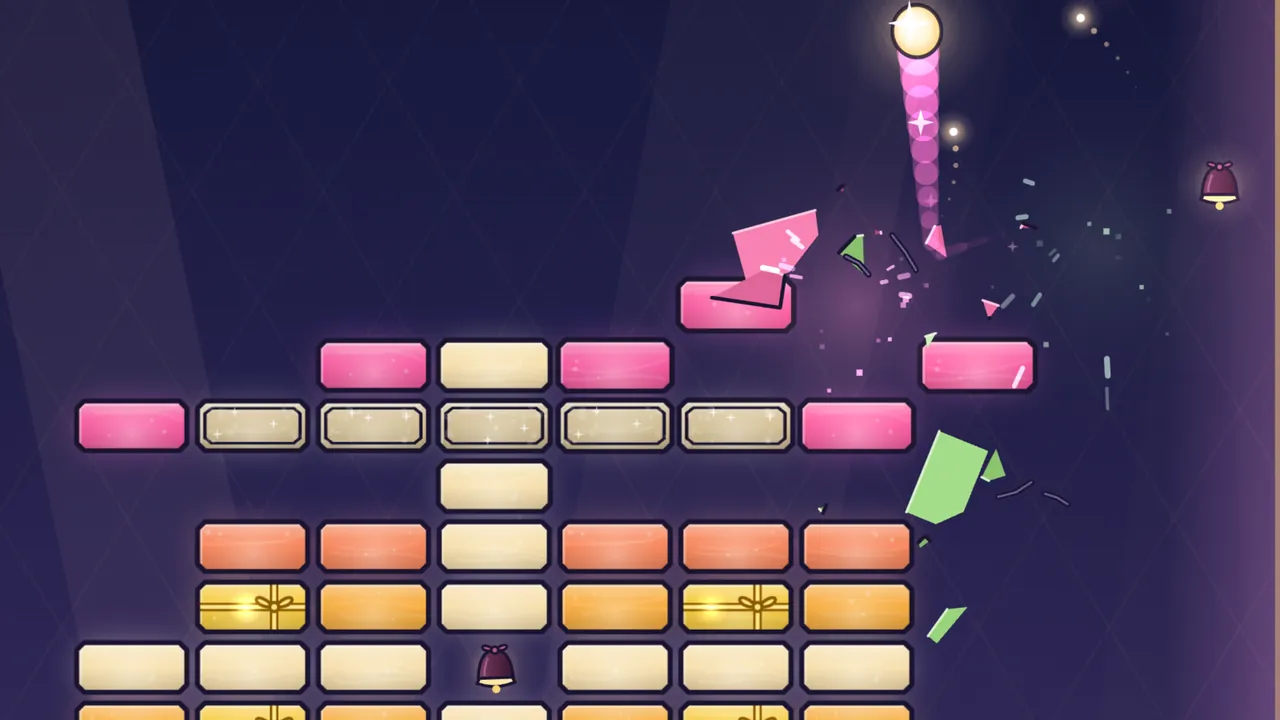
The picture at the top is level 3, Gift Wrapped. The Spark has just gone through a pink pane, and the shards fly off in every direction. Half of them still have a bit of lead on their edges.
Color goes in while the glass is hot
Real stained glass gets its color in the furnace. Glassmakers add powdered metal oxides to the molten glass. Copper gives green or a bluish green, cobalt gives deep blue, and gold gives a wine red and violet.
In Panemonium, each of the four parts of town has its own eight glass tints, from warm amber, pink and violet to teal, blue, green and cream, and every level is a picture made from them.
Blown into a bubble, then flattened
The glass for traditional windows started as a bubble. A glassmaker gathered a glob of molten glass on the end of a blowpipe and blew air into it. For muff glass, the bubble was worked into a long cylinder, the bottom was taken off, one side was slit open, and the cylinder went back into an oven to flatten. For crown glass, the bubble was spun so fast that it opened out into a flat disk. The thick middle of that disk is the bull’s-eye.
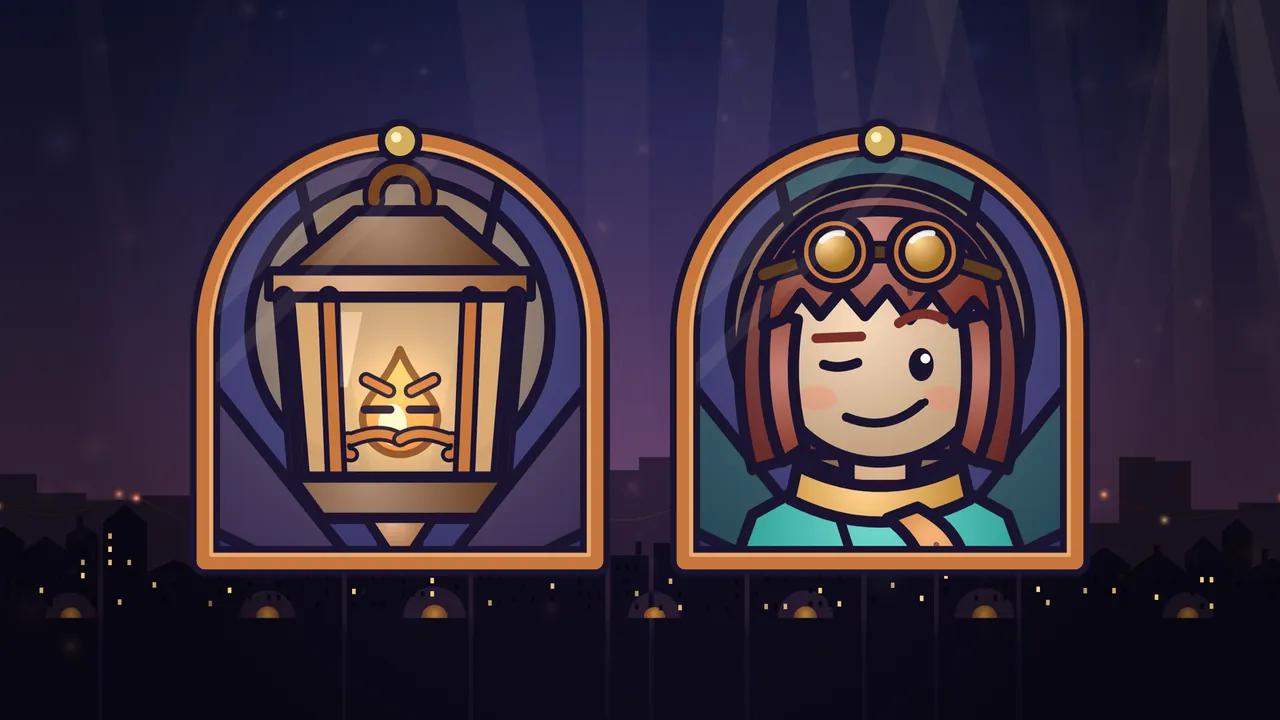
The head of a glassblowing workshop is called the gaffer. That’s where our Gaffer, the old talking lantern on Mira’s pole, gets his name.
Paint, stain and a kiln
Faces, hair and folds of cloth aren’t cut from glass. They’re painted on. Traditional glass paint is a mix of powdered glass, iron or rust filings for the black, gum arabic to bind it and a liquid such as wine, vinegar or, traditionally, urine. Then the glass goes into a kiln, and the paint fuses to it for good.
Soon after 1300, glass painters found silver stain. Painted on and fired, it turns clear glass anything from pale lemon to deep orange, and it turns blue glass green. That yellow is the “stain” in “stained glass.”
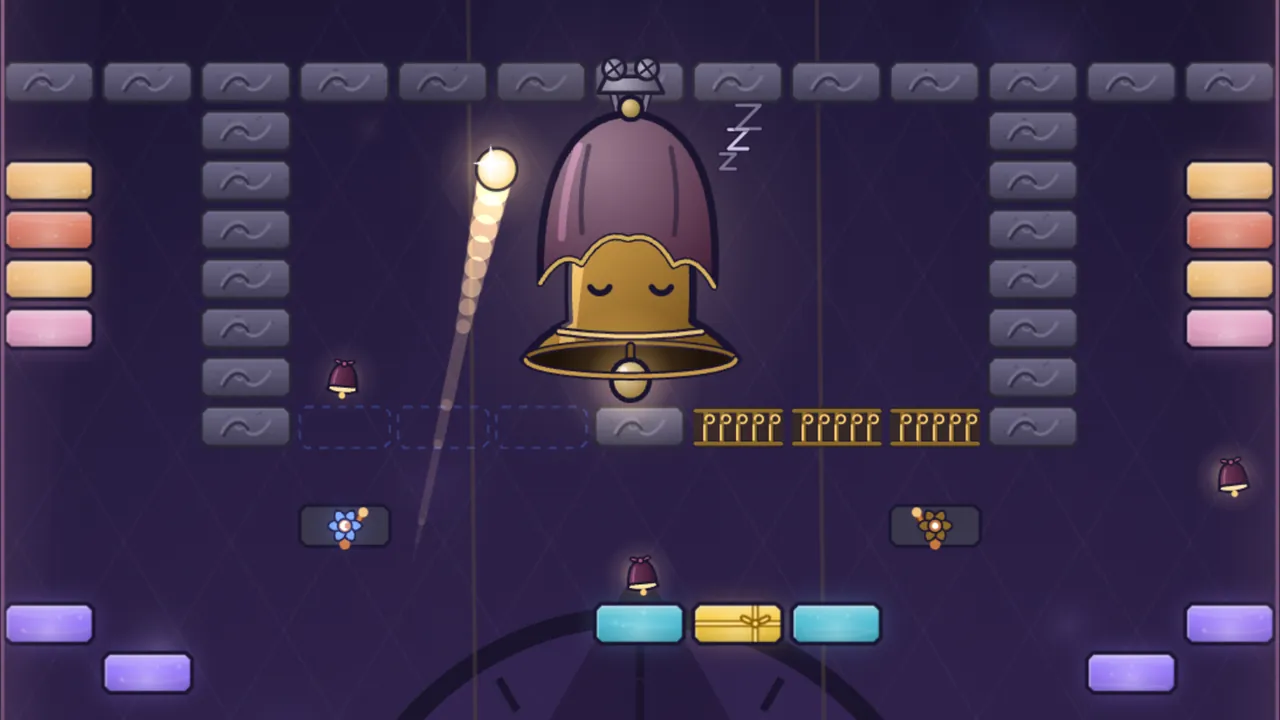
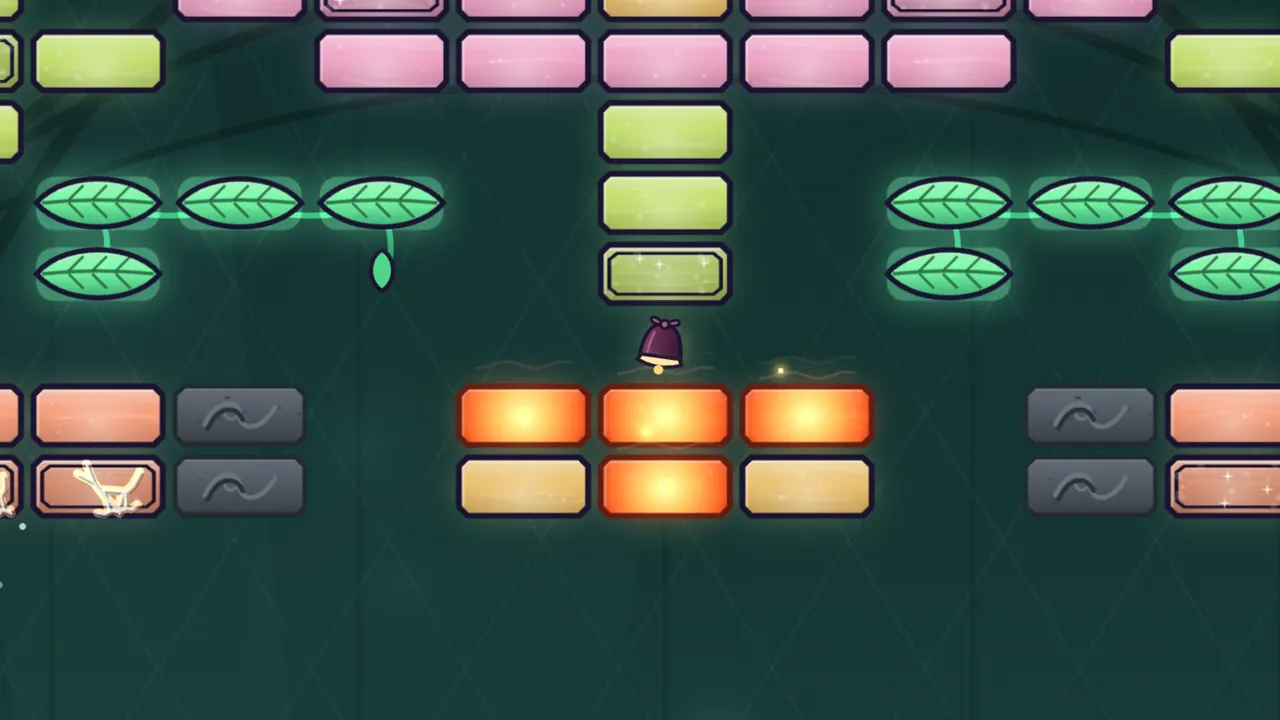
Vitrea has a kiln of its own. Ember Glass looks molten, with a hot heart and a dark red frame. Gaffer warns that it’s “hot from the kiln,” and when it bursts, it takes the panes around it along. Vine Glass, the leafy kind, is less polite. Break it, and six seconds later it grows back.
Cut to a pattern, held in lead
A real window starts as a full-size drawing called a cartoon. Every line of lead is marked on it, because the lead is part of the picture. Each piece of glass is cut to its shape, and the edges are nibbled to a perfect fit with a grozing tool.
Then the pieces slot into strips of lead called cames, which are shaped like an H on the end, so a piece of glass sits on each side. The joints are soldered, and a soft, oily cement is pushed in between the glass and the lead, so nothing rattles and no rain gets in. Windows also got iron bars across them to carry their weight.
In Vitrea, the frame tells you how tough a pane is. A one-hit pane has a thin lead frame. A Double Pane has a second lead frame inside the first and a coat of frost. Barred Glass has a brass cross over it. Gaffer’s advice: “Brass bars, three good hits.” The first knocks off the crossbar, the second the upright.

Walls made of light
Stained glass in Britain goes back at least to the year 675, when Benedict Biscop brought workmen over from France to glaze the windows of the monastery he was building at Monkwearmouth.
Some of the finest walls of glass anywhere are in Paris, at the Sainte-Chapelle. Most of its fifteen great windows went in between 1242 and 1248, and together they hold about 7,200 square feet of glass, not counting the rose window. The light inside is mostly deep blues and reds, and it changes from hour to hour.
The real lamplighters
Mira’s job is real too. When towns first lit their streets, lamplighters walked the streets at dusk, lighting each lamp with a wick on a long pole. At dawn they came back with a little hook on the same pole and put the lamps out. That’s Mira’s shift exactly: “No dawn, no job!”
Gas street lamps still burn in a few places. Berlin had about 37,000 in 2014, more than half of all the working ones in the world. Around 1,500 still light central London, and Boston has more than 2,800.
Lantern Lane is free to play in your browser at panemonium.com: the first five levels, the first boss included. The Glasshouse, the Moon Dome and the rest of town come with the full game, all twenty levels, $4.99, paid once. More about the game is on the Panemonium page.