Turbo Pudding

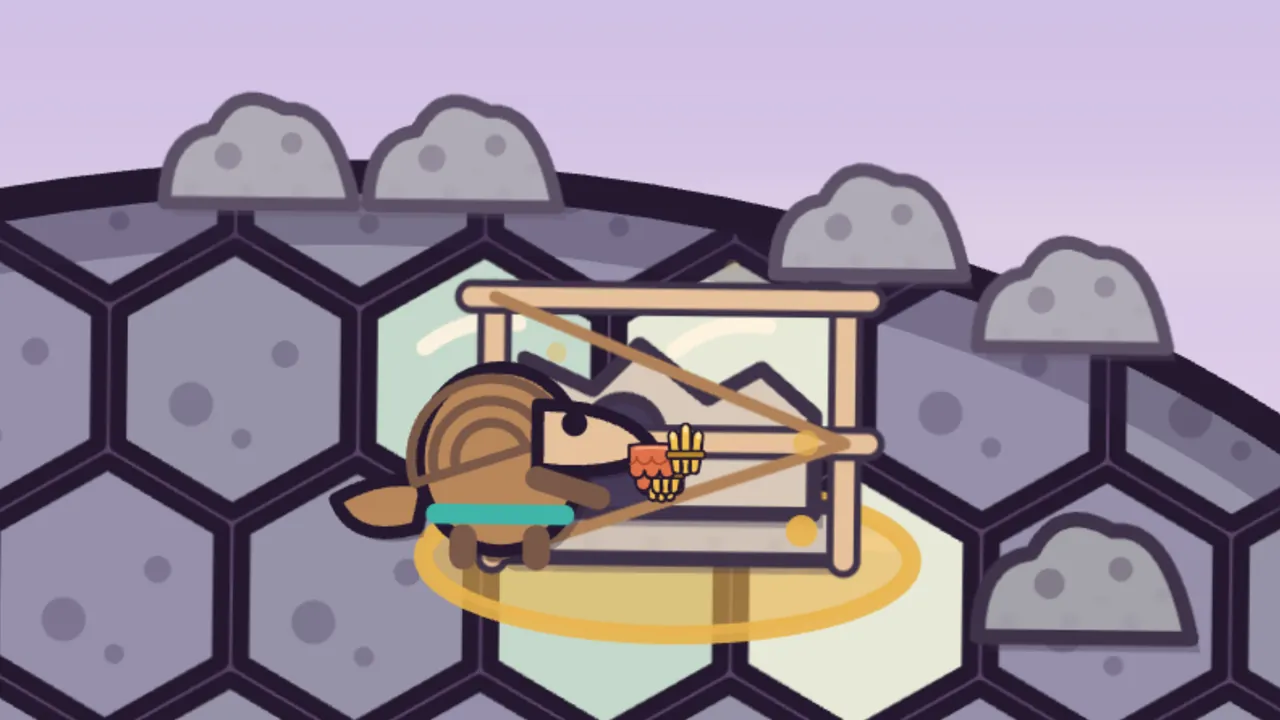
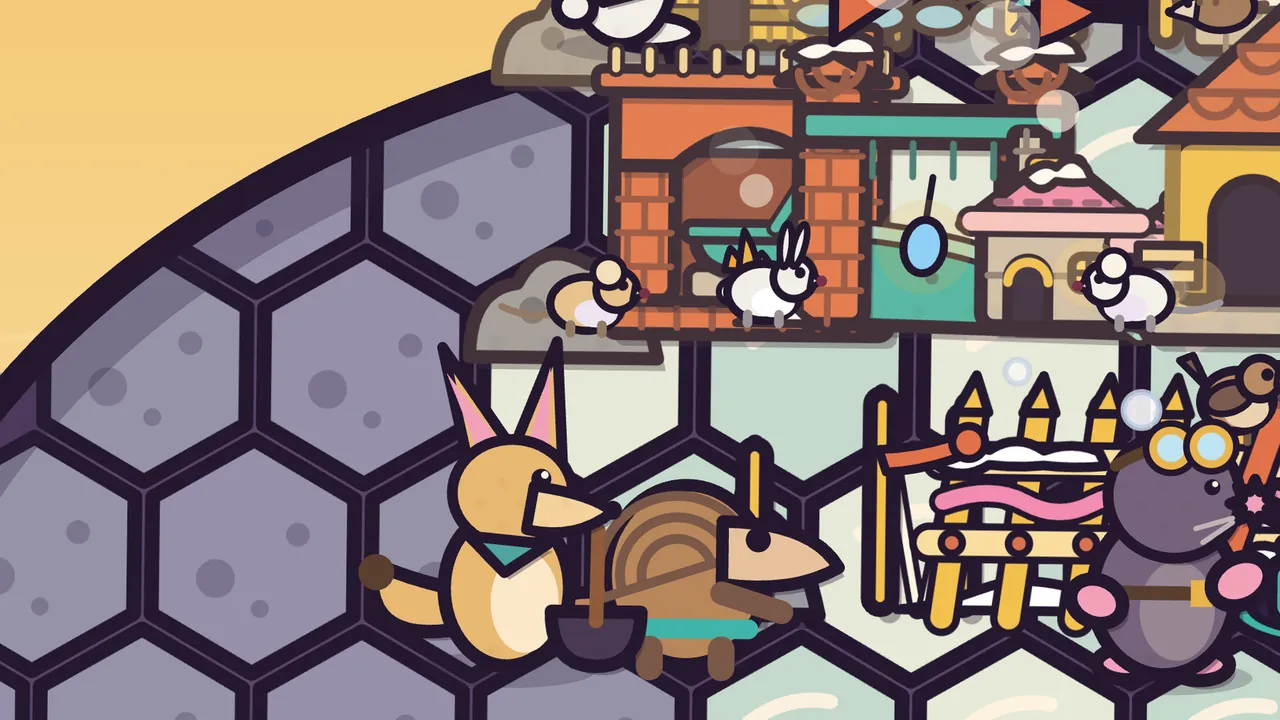
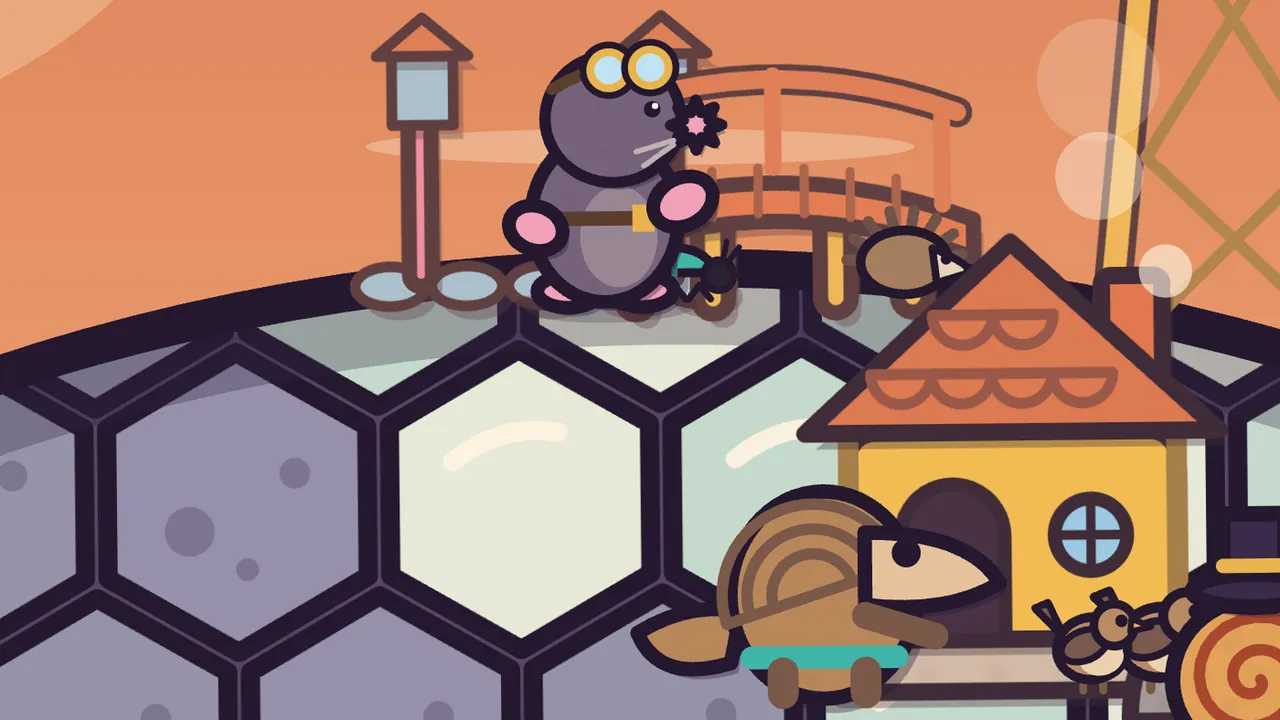
Pim, the carpenter of Amblestead, is a young pangolin. He has a long pale snout, a teal tool belt and a back covered in rows of scales, and when something startles him, he curls up into a ball. It’s Thursday, so here is the real story: what real pangolins are like, and which of Pim’s habits came straight from them.
A name that means “one who rolls up”
The word pangolin comes from Malay. Dictionaries trace it to pengguling, “one who rolls up,” and English picked it up in the 1700s. The name fits. When a pangolin is in danger, it curls into a tight ball and waits. Its back and tail are covered in scales, but its belly isn’t, so the ball keeps the soft parts inside.
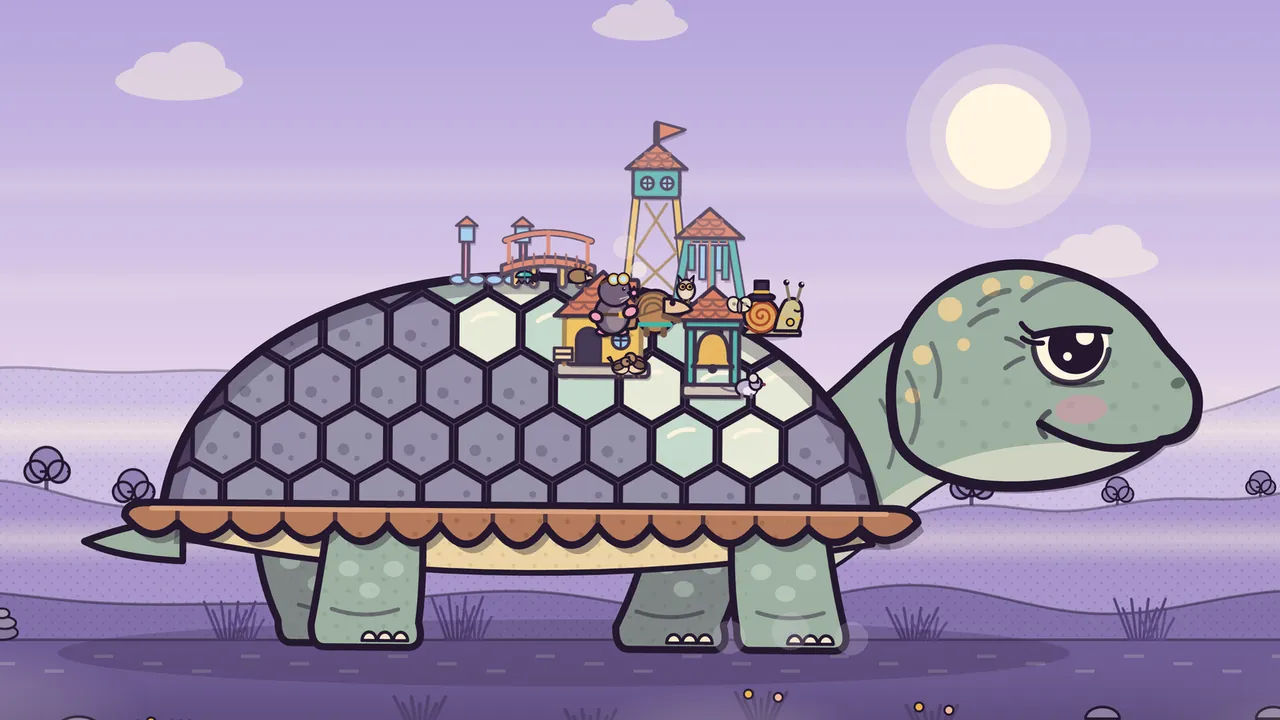
Pim does it too. The first time you see him, he is already curled up, fast asleep in what he takes for a warm, dark cave. The cave is the nostril of Amabel, the giant turtle who carries the town. When the cave sneezes, Pim flies out still rolled up and lands on a plate of her shell.
Armor made of fingernail
A pangolin’s scales are made of keratin, the same stuff as your fingernails. Depending on the species, a single scale is anywhere from under an inch to about three inches long. The scales overlap, and the sharp ones on the tail make a pretty good weapon: a pangolin can lash out with its tail.
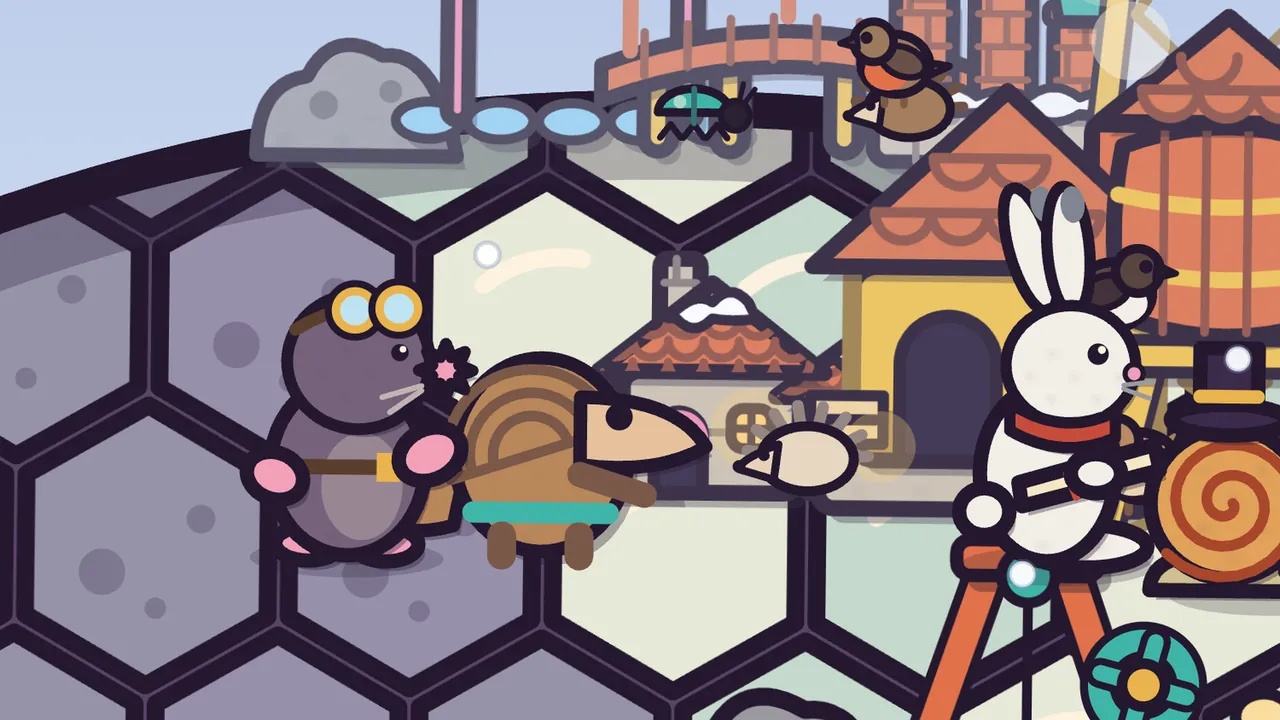
In Snow Pass, the third chapter, the town needs warm roofs, and you choose felt, copper or clay. Pick clay, and the cottages get rows of scalloped clay tiles, and Pim approves: “Clay scales hold the warmth, like a stove.” A pangolin would know. As soon as the roofs are done, a new neighbor moves in, and Pim reports, “A woolly hedgehog on the warm clay. Toasty.”
The night shift
Pangolins live alone and come out mostly at night. Home is a hollow tree or a burrow, and some species spend the whole day asleep underground. So when Pim curls up for a nap in a warm, dark hole, he is being a very good pangolin.
He isn’t much of a sun lover either. In the Glass Desert, the fourth chapter, the sun is blazing, and Pim has one idea: “Shade! We need shade over the plates.” Once the awnings are up, he is much happier: “Awnings up. Nice and cool underneath.”
Bad eyes, good nose, thick eyelids
Pangolins don’t see well. They find their food by smell, waddle up to an ant or termite nest on short legs and dig into it with sharp claws. Their eyes have thick eyelids, which protect them from insect bites.
That makes one of Pim’s first lines even better. After the sneeze, he takes a long look back at his cave and says, “Hold on. Caves do not have eyelids.” If anyone knows eyelids, it’s a pangolin.
A tongue longer than the body
Pangolins have no teeth. They eat ants and termites, and they catch them with a tongue that is longer than the pangolin itself. It is anchored deep inside the body, near the hind legs, and it flicks in and out of the nest very fast.
Along with the insects, a pangolin swallows sand and small stones. Its strong stomach muscles grind the food against them, and the stomach even has small spines made of keratin to help. No teeth needed.
Eight species, two continents
There are eight species of pangolin, four in Asia and four in Africa. They live in forests and grasslands, and depending on the species, they live in trees, on the ground or both. All eight are threatened by hunting and trafficking. Since January 2, 2017, all of them have been on the strictest list of CITES, the international treaty on wildlife trade, which bans commercial trade in wild pangolins between countries. World Pangolin Day falls on the third Saturday in February.
What we made up
A real pangolin curls up to stay put and wait. Pim has bigger plans. After Lichen Ridge in the first chapter, he gives you his booster, Curl & Roll: you pick a line across the board, and he curls up and rolls along it from one edge to the other, giving every obstacle on the way a knock. The carpentry is our idea too, and so is talking to his tools. The scales, the naps in dark places and the curling up are all real.
Meet Pim
Mist Valley, the first chapter of Amblestead, is free to play in your browser at amblestead.com. The full game, all six chapters, is $4.99, paid once. More about the game is on its Amblestead page.