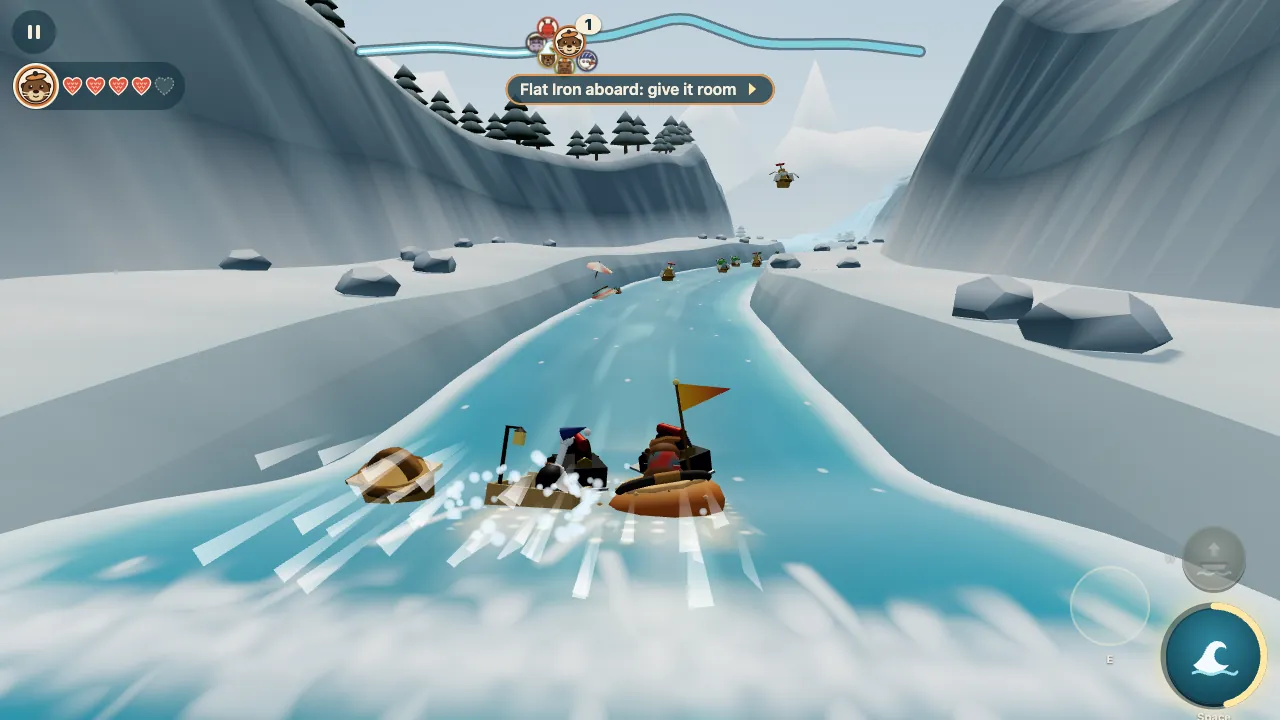
Turbo Pudding
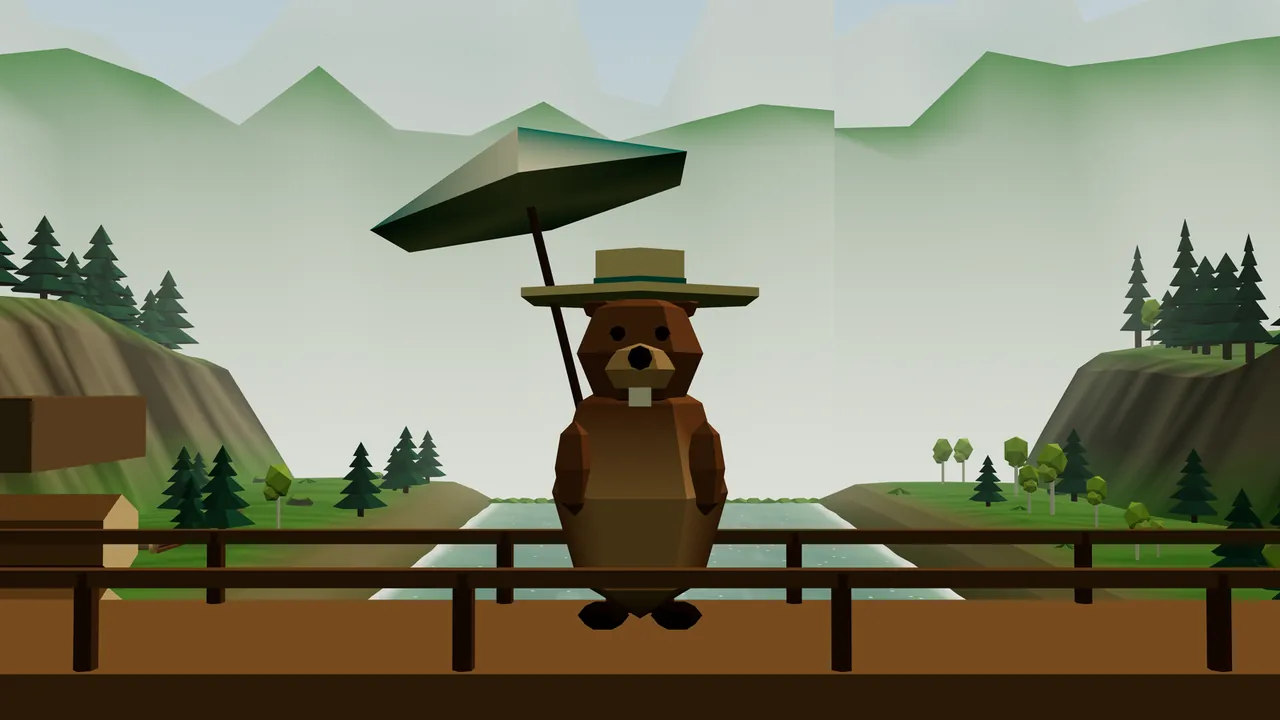
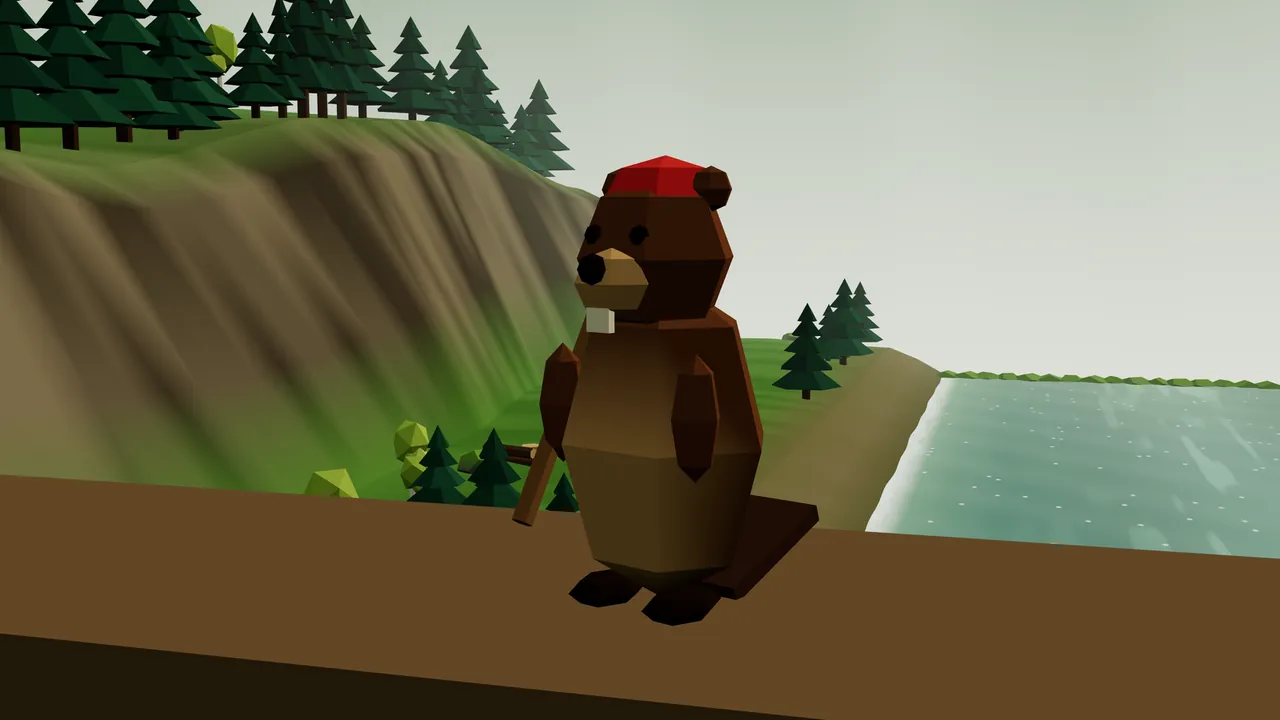
Every summer in Kettlecrest, the Big Melt sends surges down the Long River, and the river folk ride them all the way to the sea. This summer, Dame Dambury has other plans: “I have built five lovely dams. The river will be as still as a mirror. Quiet, please!” She’s a beaver, so of course she builds dams. This Thursday: how much of her is real beaver, and how much is pure Dambury.
Why beavers build dams
A dam slows a river or stream, and a pond forms behind it. According to the U.S. National Park Service, that pond is the whole point: a safe place for a beaver lodge. The water keeps wolves, coyotes and mountain lions away, and it has to be deep enough not to freeze solid, so the doors of the lodge stay clear and the winter food doesn’t freeze.
A real lodge is built of twigs, sticks, rocks and mud, and the way in is underwater. Like real beavers, Dame Dambury doesn’t live in a dam. Her home is Stillmere Lodge, right behind her last dam, and Burl, who calls her Auntie, describes the lake there as “a lake so still you can count your whiskers in it.” That part is pure beaver.
Logs, mud and a few stones
Real beavers build with trees and branches they cut with their front teeth, plus grass, rocks and mud. Acadia National Park describes them carrying mud and stones with their front paws and timber between their teeth. Their lips close behind those big teeth, so a beaver can haul a branch underwater and keep the water out of its mouth.
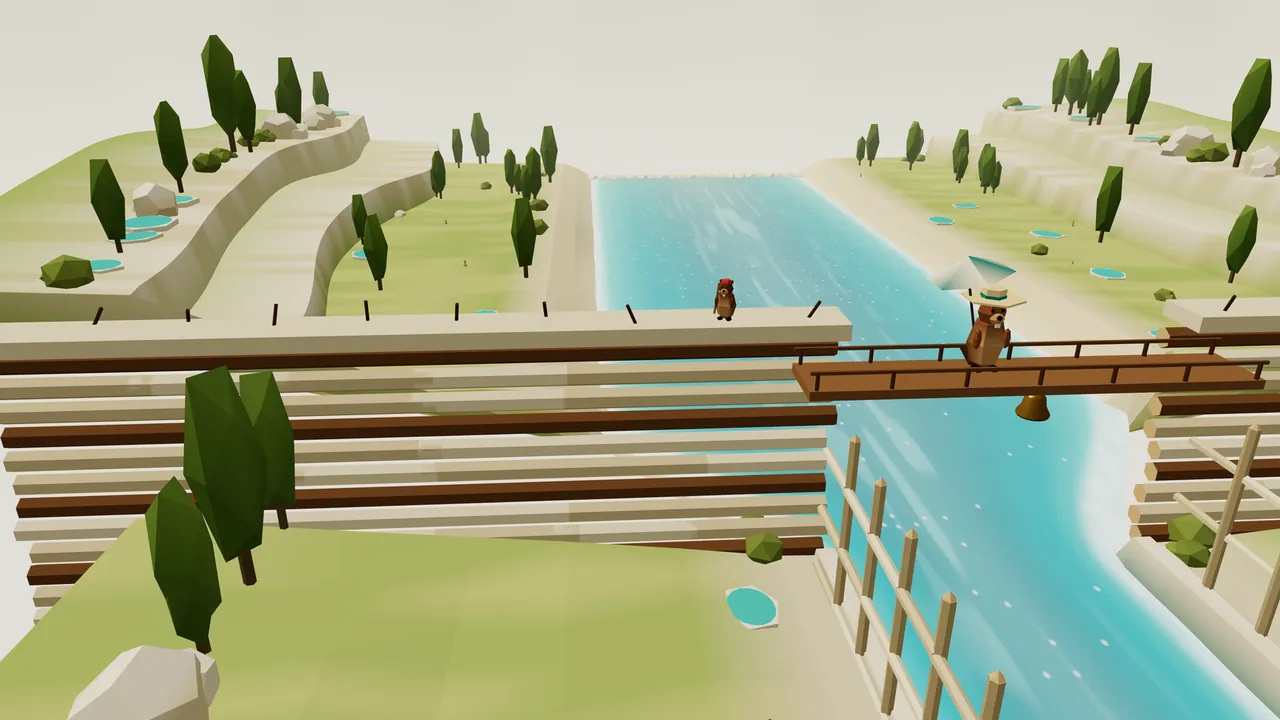
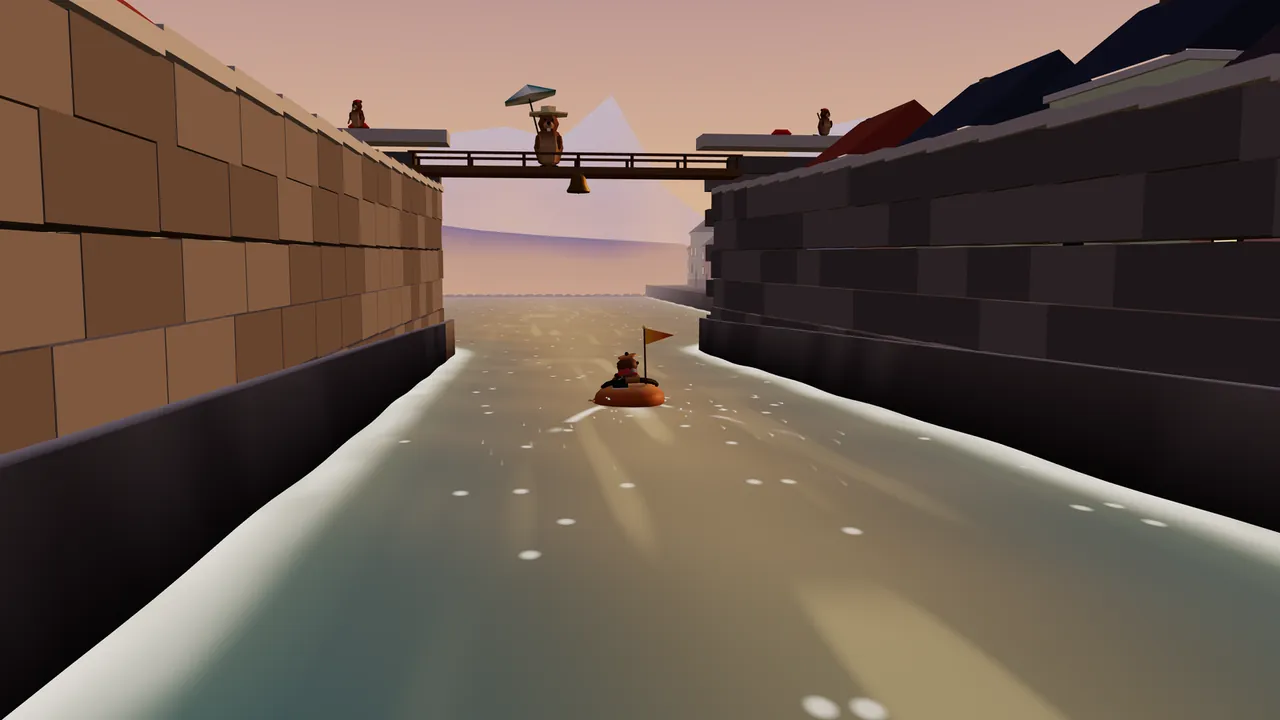
Dame Dambury’s dams use the same shopping list, one ingredient at a time. Frostlog Dam, she says, “had ice AND logs.” Her Dam Hands stacked three hundred pines at Logjam Dam. Chalk Dam is plastered with lime, because “chalk doesn’t float, and chalk doesn’t splash.” Siltbank Dam, down in the delta, is packed mud on mangrove poles with reeds along the top. Millpond Dam in Millrace Town is cut stone, an old mill dam the beavers took over, with flower boxes on top. “Burl! Bring the stones,” she calls. “Millpond Dam will be the tidiest dam in the world.”
Teeth like chisels
Here’s where our beavers cut a corner. Ours have neat cream-colored front teeth. Real ones are orange. A beaver’s four front teeth never stop growing. The front of each tooth is hard orange enamel, enriched with iron, and the back is softer and wears away faster. That leaves a sharp, chisel-like edge. According to Prince William Forest Park, a beaver can gnaw through a tree five inches across in five minutes. Suddenly, three hundred pines at Logjam Dam sound almost reasonable.
The Dam Hands are family
Dame Dambury’s crew are the Dam Hands, beavers in red work caps who stand on every dam holding a stick. Asked to back up her bragging, all they say is “Shhh!” A real beaver has a louder way to warn the others: it slaps its flat tail on the water.
Real beavers have a crew too, and it’s family. Rocky Mountain National Park says young beavers stay with their parents until they’re about two years old and help with food collection, dam construction and taking care of the new kits. Burl has his own take on the family business: “I built dams for a year. Getting through them is better.”
Real beavers also work mostly at night. Ours stand guard in broad daylight. We like to think it’s overtime.
The biggest dam on Earth
Dame Dambury wants the tidiest dam in the world. The biggest one is already taken. It’s in Wood Buffalo National Park in Canada, and Parks Canada calls it the world’s largest beaver dam. Its front runs about 775 meters, roughly the length of seven football fields, and it shows up in satellite images from space. The pond behind it covers about 70,000 square meters and holds, by the park’s count, about 1,600 hockey rinks of water.
It sits far from any road or trail, and Parks Canada’s mascot, Parka, comes from that very pond.
No dam holds everything
About Logjam Dam, Dame Dambury says, “Nothing gets through.” Real beaver dams always let some water trickle past, the Park Service notes. Kettlecrest adds its own rule: ring the bell on a dam in the top three, and the dam must open.
Beaver ponds give birds and fish a place to live, slow soil erosion and reduce flooding, which is why scientists call beavers a keystone species. When the beavers finally move on, an old pond can turn into a meadow and, one day, a forest.
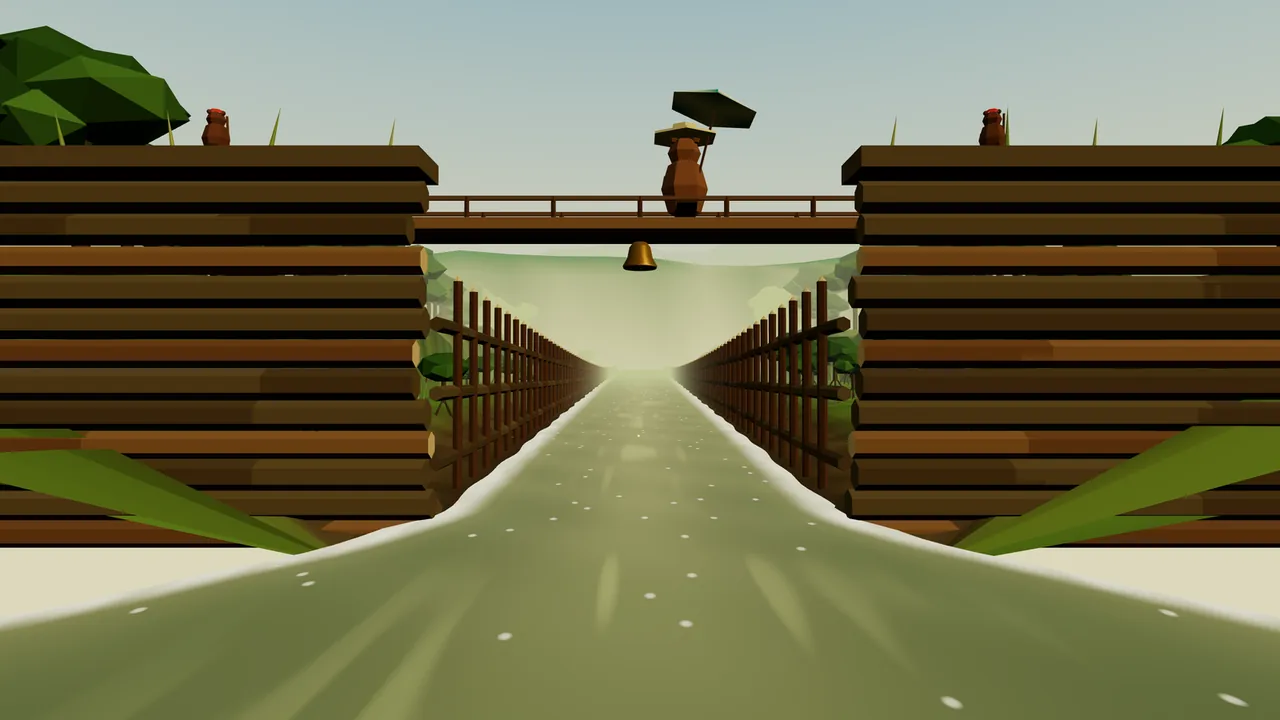
As Burl puts it, “She’s not mean, you know. She’s just never been splashed.” How her summer turns out, we’ll leave for you to find out.
The first two reaches, Glacier Gate and Pinewood Rapids, are free to play in your browser at kettlecrest.com. The full game, all six reaches to the sea, is $4.99, paid once. More about the game is on its Kettlecrest page.