Turbo Pudding
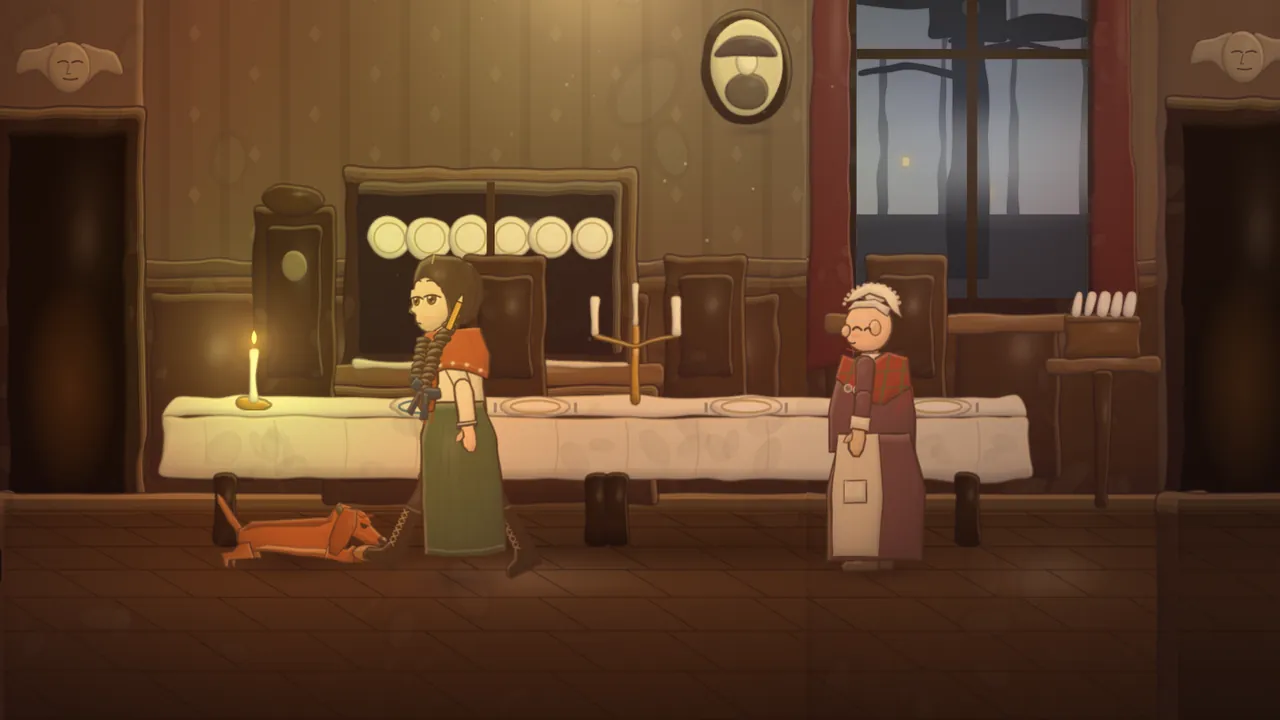
Fernevale is a hand-drawn point-and-click adventure that drifts between dreams and real places. Daina Ozola is seventeen, and in the fall of 1911 she slips out of a sanatorium in Surrey, sails from Hull and goes home to Riga, to her family’s villa in the pine woods of Kaiserwald. The forest in her dreams is made up. The city she comes home to is not, so for this post we checked its details one by one.
A red funnel and a Riga motor car
Daina sails on a steamer with a red funnel and a black top, the colors of the Wilson Line of Hull, whose steamers ran to the Baltic, Riga included.
On board she meets Teo, a fitter from the motor department of the Russo-Balt works, who is bringing eight magnetos home from London. That factory was real too. The Russo-Baltic Wagon Factory in Riga built railway cars, and from 1909 motor cars as well, only a few hundred of them before the First World War. Later, in the garage at Kaiserwald, Daina finds a brand-new green one: “Green, new, and smelling of oil and money.”
Two calendars, one morning
In the Riga customs shed, the date stops making sense. Daina’s ticket says she arrives on the fifth of November. Kalniņš, the customs officer, points at his calendar: today is the twenty-third of October. “Riga keeps the old style. I cannot admit a passenger who has not yet arrived.”
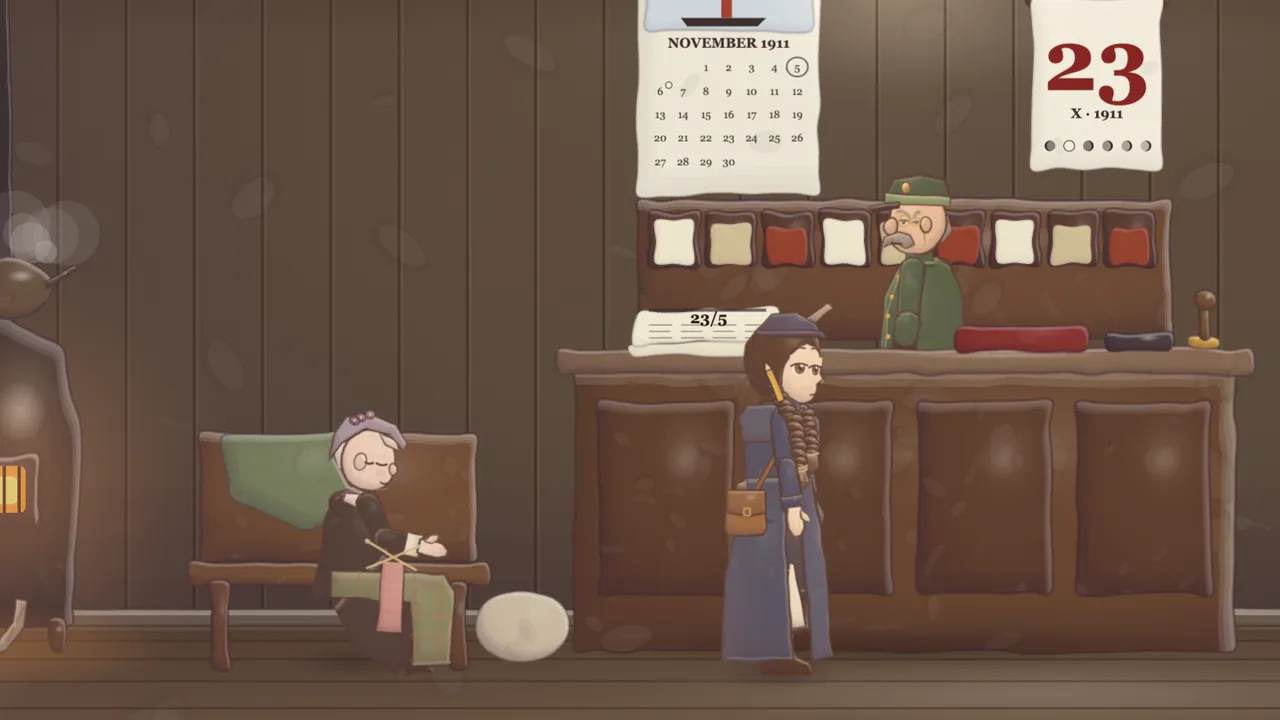
He is right. In 1911 Riga belonged to the Russian Empire, and the empire still kept the old Julian calendar, while Britain used the Gregorian one. In the twentieth century the gap was thirteen days. The switch came only in February 1918, when the last day of January was followed by the fourteenth of February.
The fifth of November 1911 really was a Sunday, just as the paper on the counter says, a nod to the Rigasche Rundschau, a real German-language daily in Riga. And the full moon Daina spots on both calendars did fall on the sixth of November, which in Riga was the twenty-fourth of October. One moon, two dates, and Daina will find a use for that.
The faces on Albert Street
From the shed, Daina takes a cab across town, with a horse in a blanket and a driver dozing under his mustache. On the way she passes a street where a stone face looks down from over every door. “The faces on Albert Street. Opi said they were watching to see who’d grown.” Opi is her grandfather.
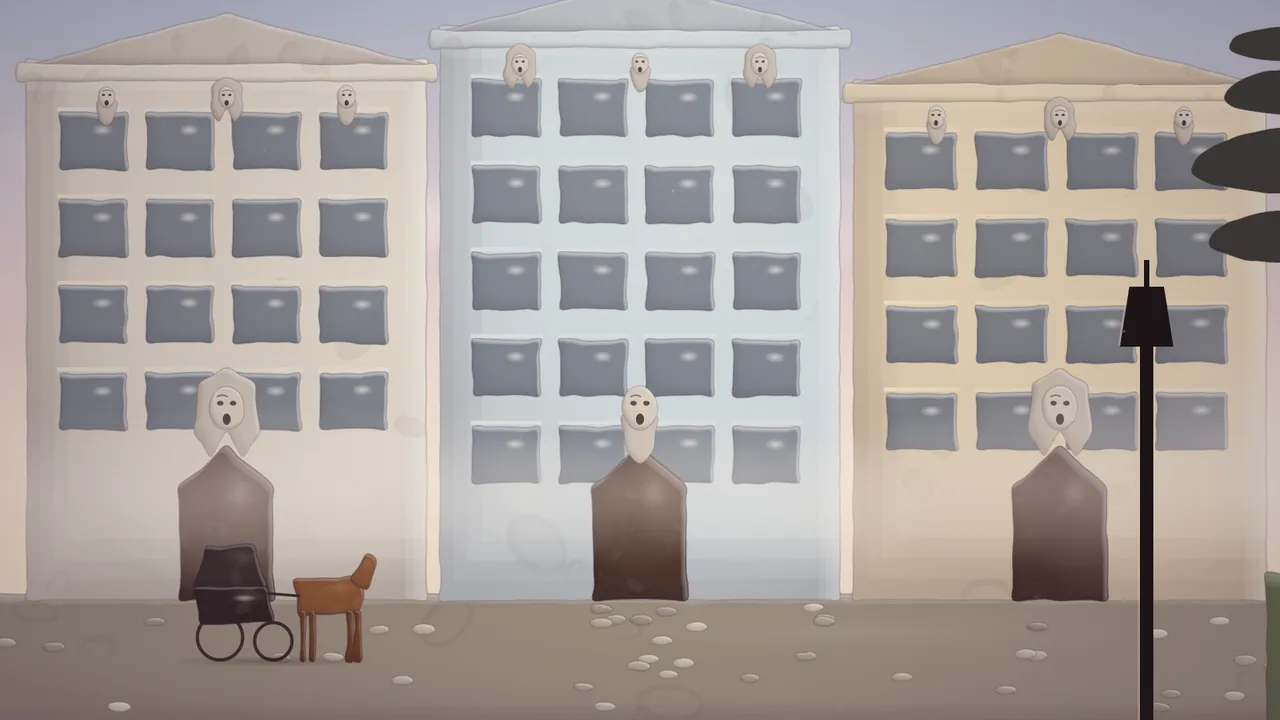
The street is real and still there. It was laid out in 1901 and named after Bishop Albert, who founded Riga in 1201. Many of its houses were designed by the architect Mikhail Eisenstein, and their fronts are crowded with carved heads. At number 8, built in 1903, women’s faces look down from the pilasters, while masks of beasts and monsters over the windows were meant to protect the peace of the people inside. Today about a third of the buildings in Riga’s center are Art Nouveau.
A garden city in the pines
Kaiserwald is real as well. The name means “the emperor’s forest,” and the story goes that it comes from a camp the Swedish king Gustav II Adolf set up there in 1621. In 1901 Riga planned a villa colony in these pine woods, the first project in the Russian Empire built on the garden city idea, and building started in 1902. The rules were strict: no house taller than two stories, and no factories. From 1903 a horse tram ran out to the woods, and by the First World War there were more than a hundred villas.
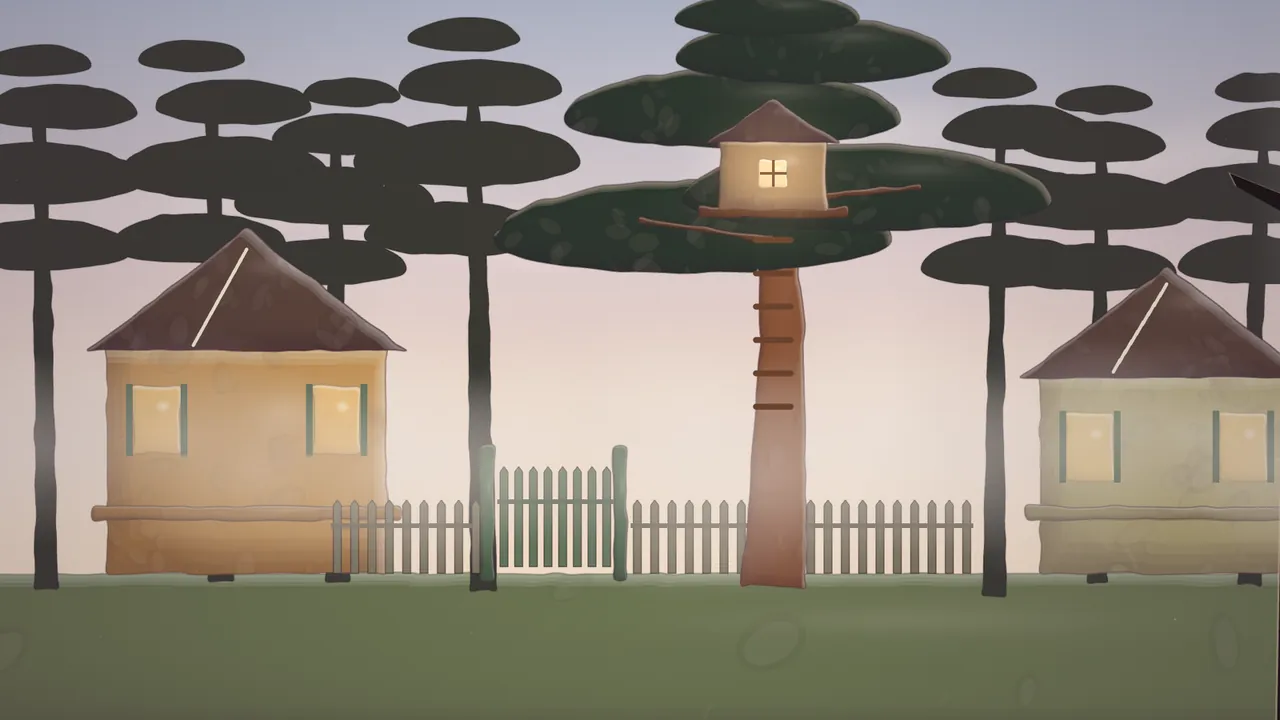
Today the area is called Mežaparks, “forest park,” a name it got in 1923. In October 1912, a year after Daina’s homecoming, the Riga Zoo opened in the same woods.
Back in the game
In Fernevale the villa is full of life: Omīte, Daina’s grandmother, Trīne the cook and Duksis the dachshund. But the old pine in the garden has a red chalk cross on it, and Daina knows what that means: “They’ve marked him.” Her father has sold the villa to the Baltic Timber Company, and the pine is to be felled on the waning moon.
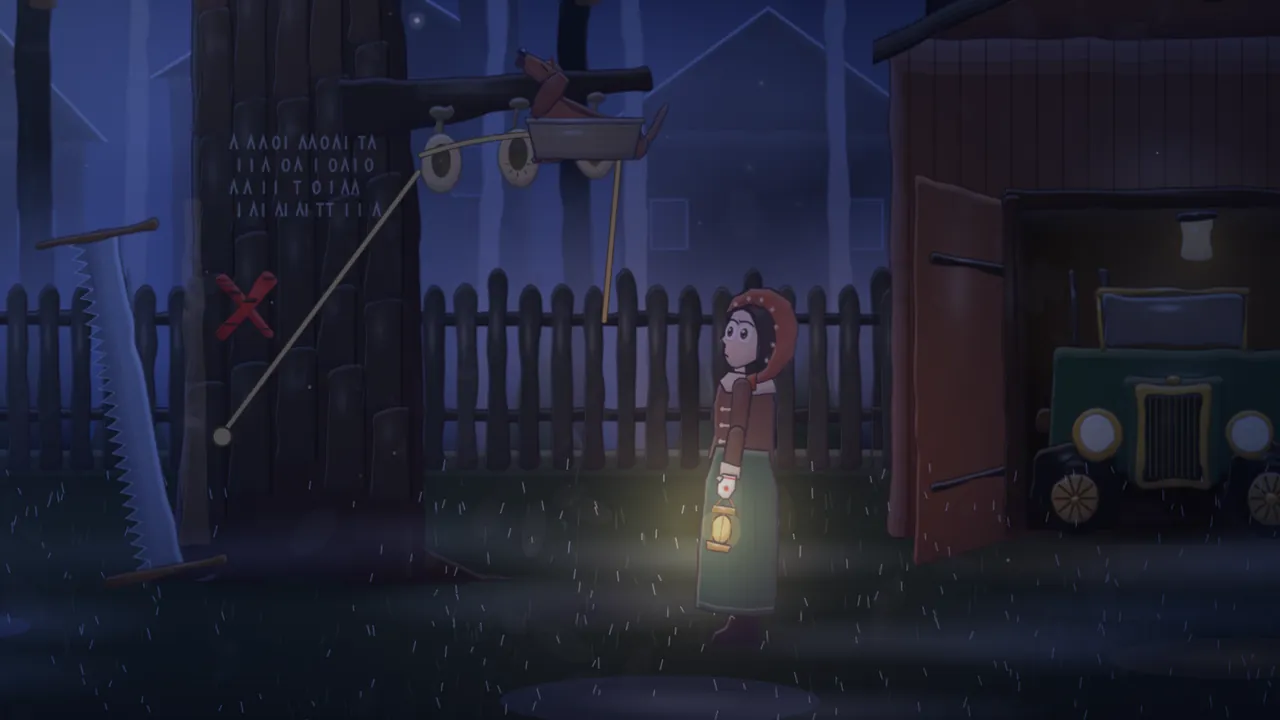
That fits real Riga too. Around 1900 its port was first in the whole empire for timber exports. Teo puts it in one line when he hears her name: “Ozola? Not the timber Ozols? Kaiserwald?” In Latvian, ozols means oak, and a woman of the family is an Ozola. For her father, the forest is the business. For Daina, one tree in it is home.
The prologue and the first two chapters of Fernevale are free to play in your browser at fernevale.com. More about the game is on its Fernevale page.