Turbo Pudding
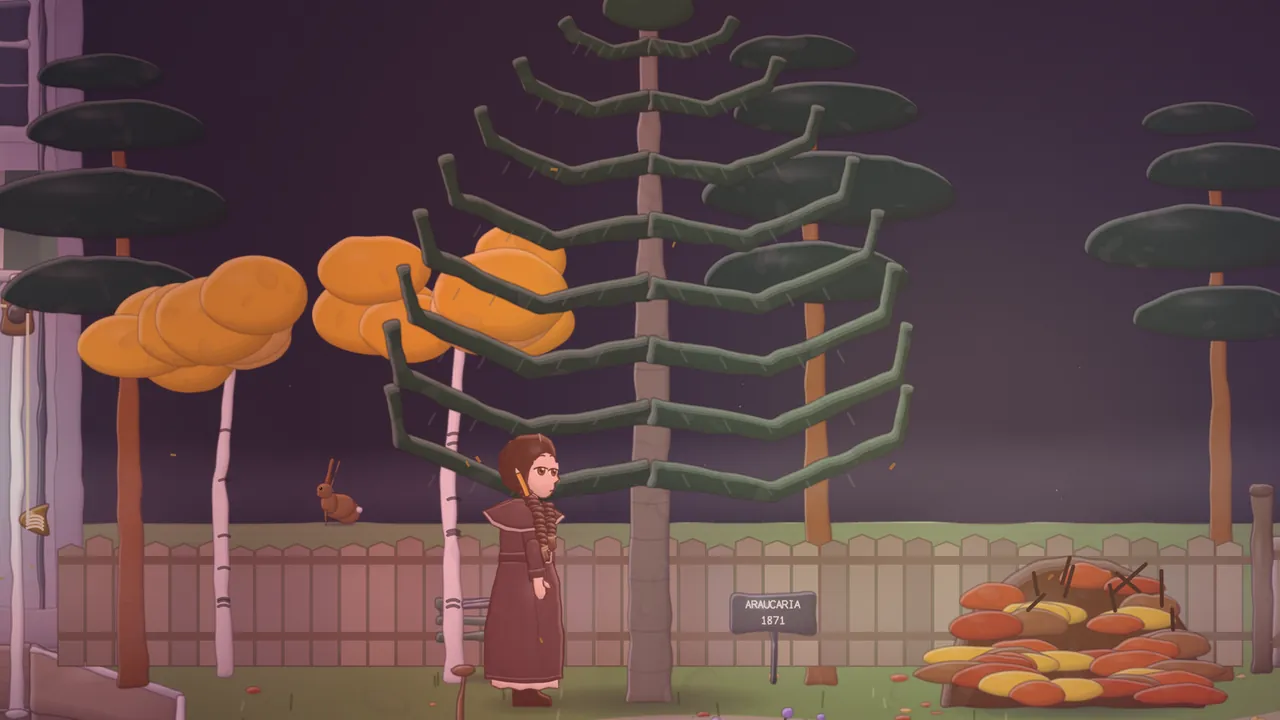
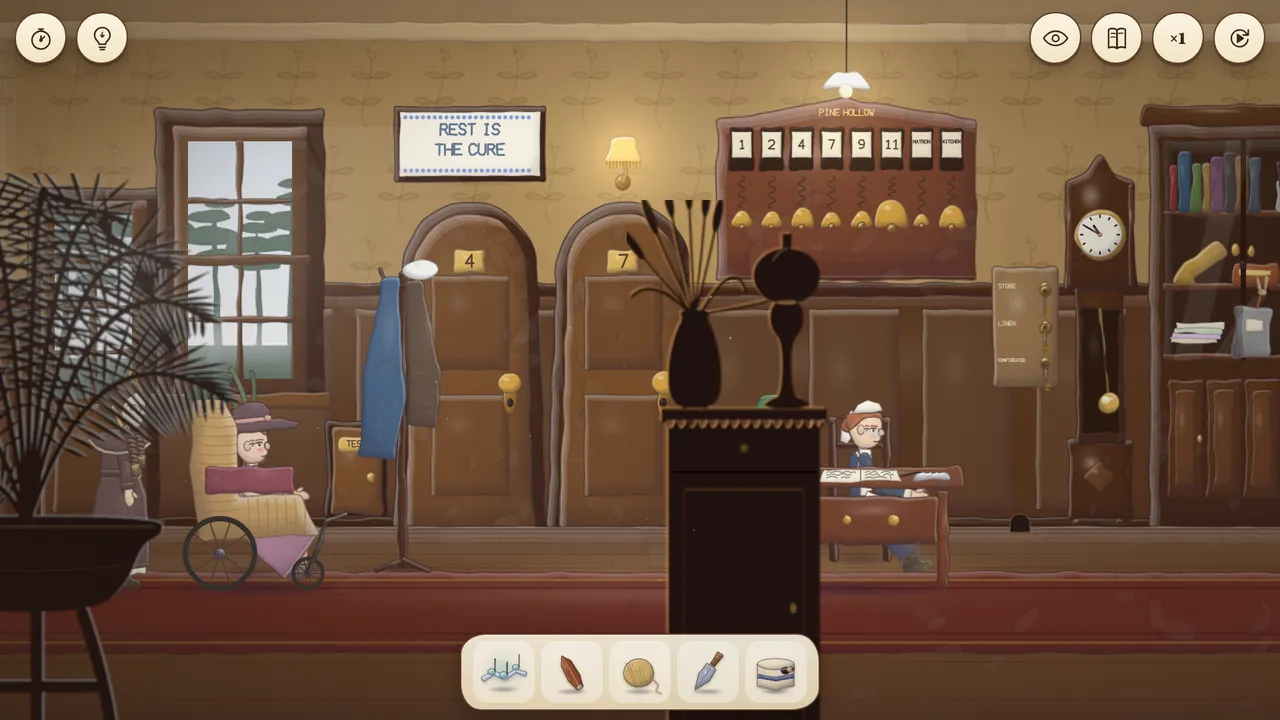
Fernevale’s first chapter takes place at Pine Hollow Sanatorium on Bagshot Heath in 1911. On her first night in Ward Seven, Daina looks out through the French doors and sees a tree from her dream, black against the moon, branches raised like arms. On a second look, she is calmer: “It’s only a monkey puzzle. People plant them in front gardens to frighten the postman.”
Here is the real tree behind it, and how it got from the Andes to an English lawn.
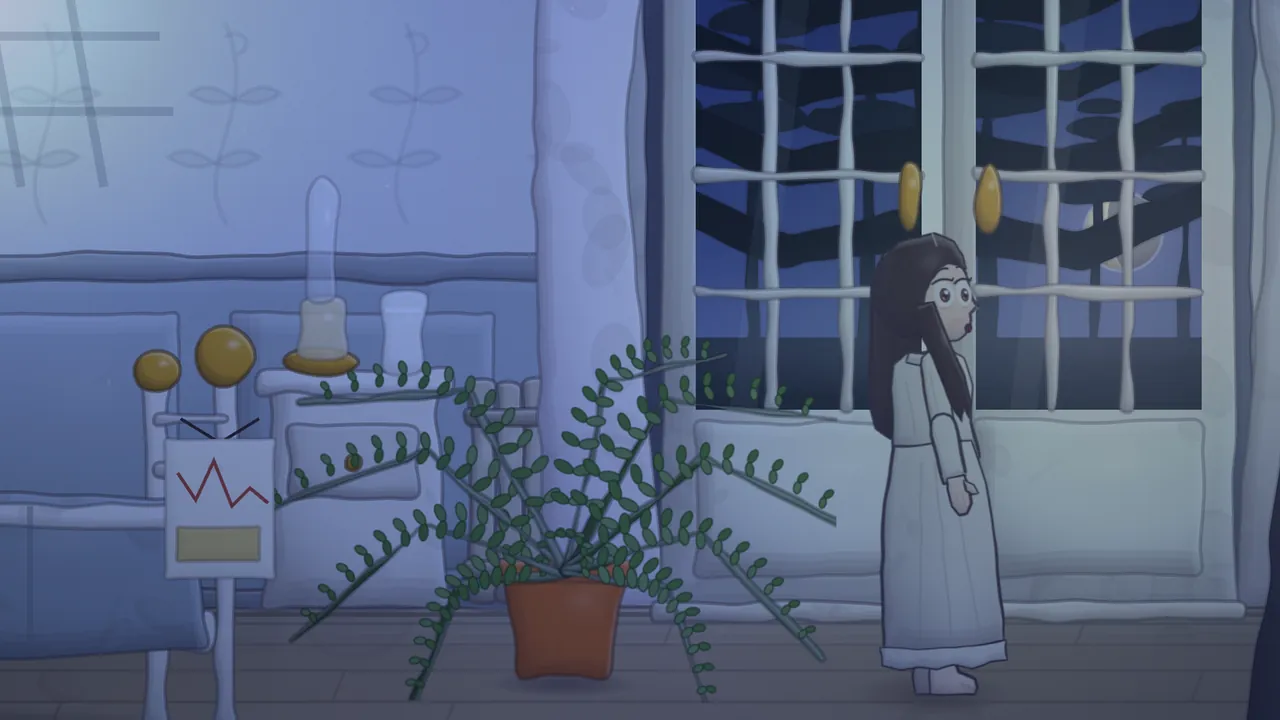
Pocketed at dinner
When Daina reads the plaque in the garden, she says: “Chile. A long way to come to stand on a lawn.” The first monkey puzzles to make that trip came with Archibald Menzies, a Scottish naturalist on George Vancouver’s voyage.
The story everyone tells goes like this. In 1795, Menzies was dining with the governor of Chile, Ambrosio O’Higgins, and the seeds of the tree were served at dessert. Menzies slipped a few into his pocket, planted them on board ship and came home with five healthy young trees, the first in Britain. The pocket part only turns up in print decades later, so it may be more legend than fact. The five trees are real. One of them grew at Kew for almost a hundred years, until the 1890s.
Two names on one plaque
By the trunk stands a cast-iron plaque: ARAUCARIA IMBRICATA, CHILE PINE, PLANTED 1871, A. HATCH. Hatch is the sanatorium gardener, and Daina approves: “He signed it, like a painting.” On the veranda, Dr Fell uses a different name: “Araucaria araucana. Our own monkey puzzle, no doubt.”
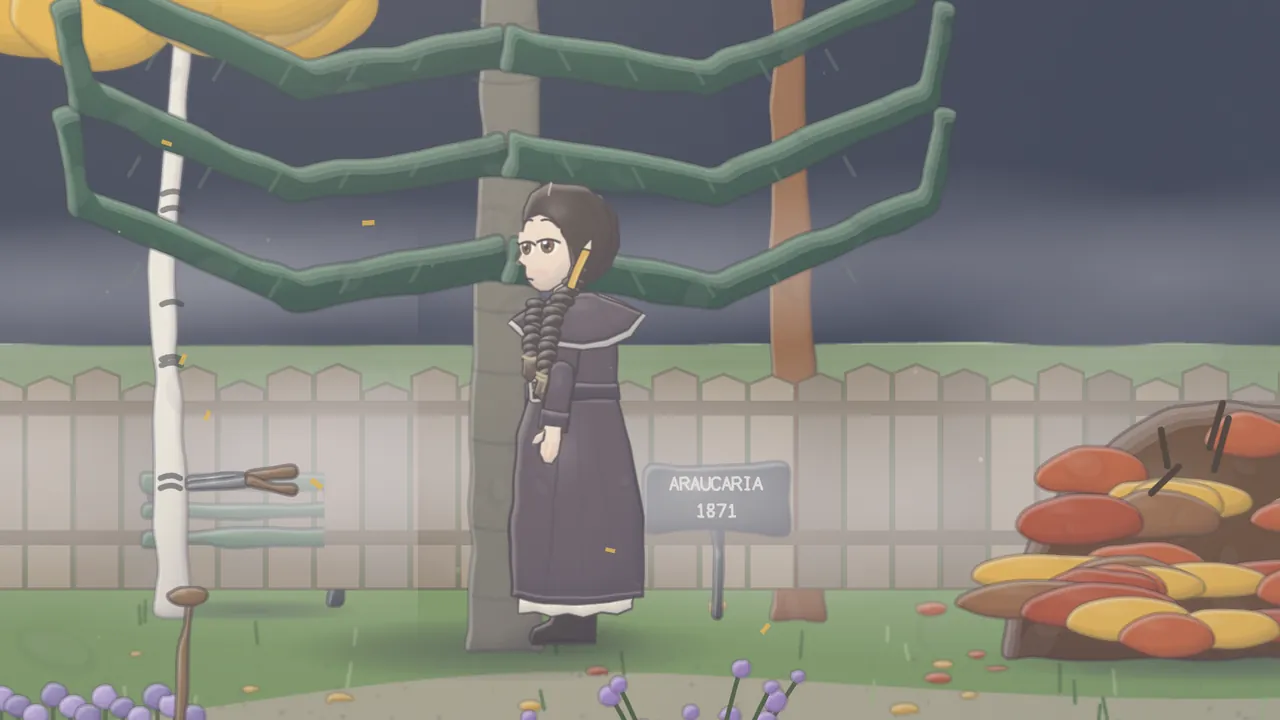
Both have history on their side. The Chilean naturalist Juan Ignacio Molina named the tree Pinus araucana in 1782. In 1797, the Spanish botanist José Pavón renamed it Araucaria imbricata. In 1873, two years after Hatch planted his tree, the German botanist Karl Koch published Araucaria araucana, bringing back Molina’s older name. Botanists still use it, so the doctor is up to date and the plaque isn’t.
A tree for the front garden
Five trees made the monkey puzzle a rarity. That changed in the 1840s, when William Lobb, a plant collector working for the Veitch nursery in Exeter, gathered thousands of seeds in Chile and sent them home. After that, Victorian Britain planted it everywhere, from avenues on country estates to the front gardens of new suburban villas. Just where Daina expects one, frightening the postman.
It would puzzle a monkey
The English name comes from Pencarrow, a garden in Cornwall. Around 1850, Sir William Molesworth was showing his young tree to friends when one of them, the lawyer Charles Austin, said: “It would puzzle a monkey to climb that.” The tree had no everyday name yet, so this one stuck. In French it is called “désespoir des singes,” the despair of monkeys.
Austin had a point. The leaves are tough triangles with sharp edges and tips, and they live for up to 24 years, so they cover almost the whole tree except the oldest branches.
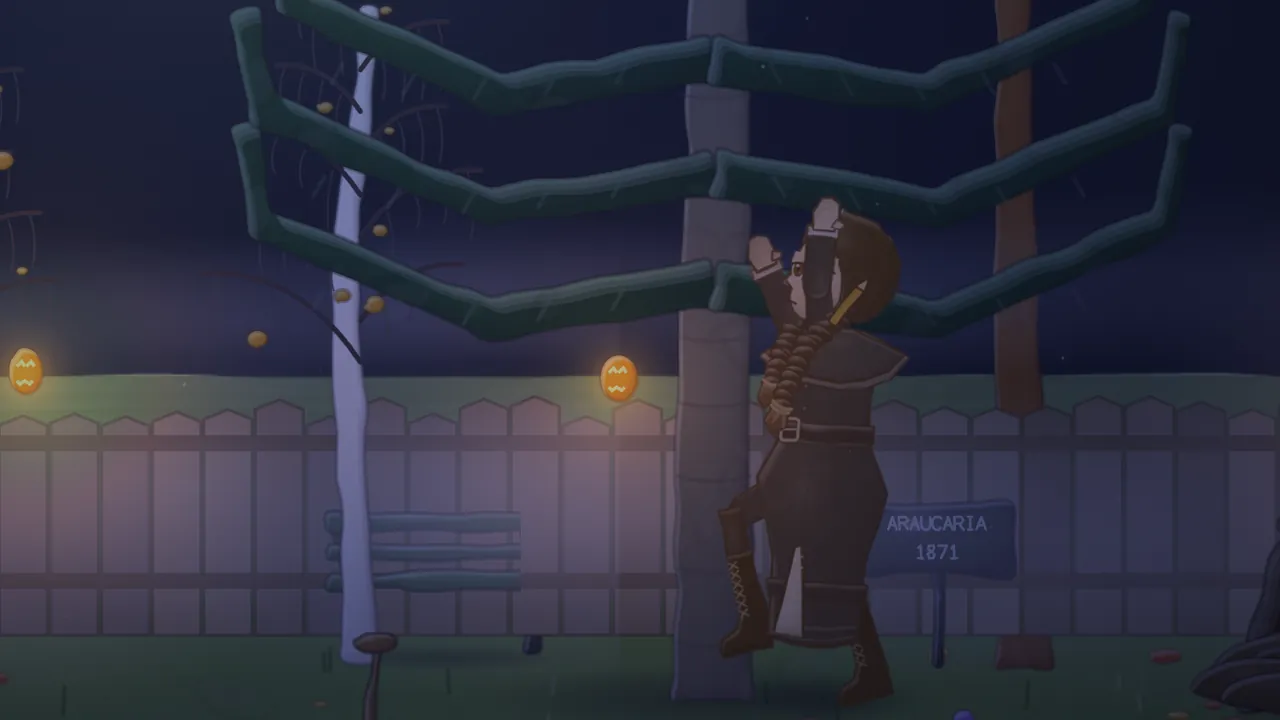
In chapter 2, Daina climbs it anyway, at night. Her hobble skirt stops her after three tiny steps: “This skirt was designed by someone who hated trees.” Hatch’s hedge shears solve that problem. “Sorry, Aunt Edith. It’s in a good cause.” Then she climbs the way her grandfather Opi taught her, with three points on the tree: “Two hands and a foot. Or two feet and a hand.”
Forty years and never a cone
Daina carries a seed she can’t explain: “A seed as long as my finger, with a point like a pen nib. Not from any pine I know.” Dr Fell has told her it fell off the monkey puzzle. Hatch doesn’t agree: “Aarh. That ain’t off our tree. He’s a gentleman: forty year and never a cone.” And: “Doctor knows his Latin. I know my tree.”
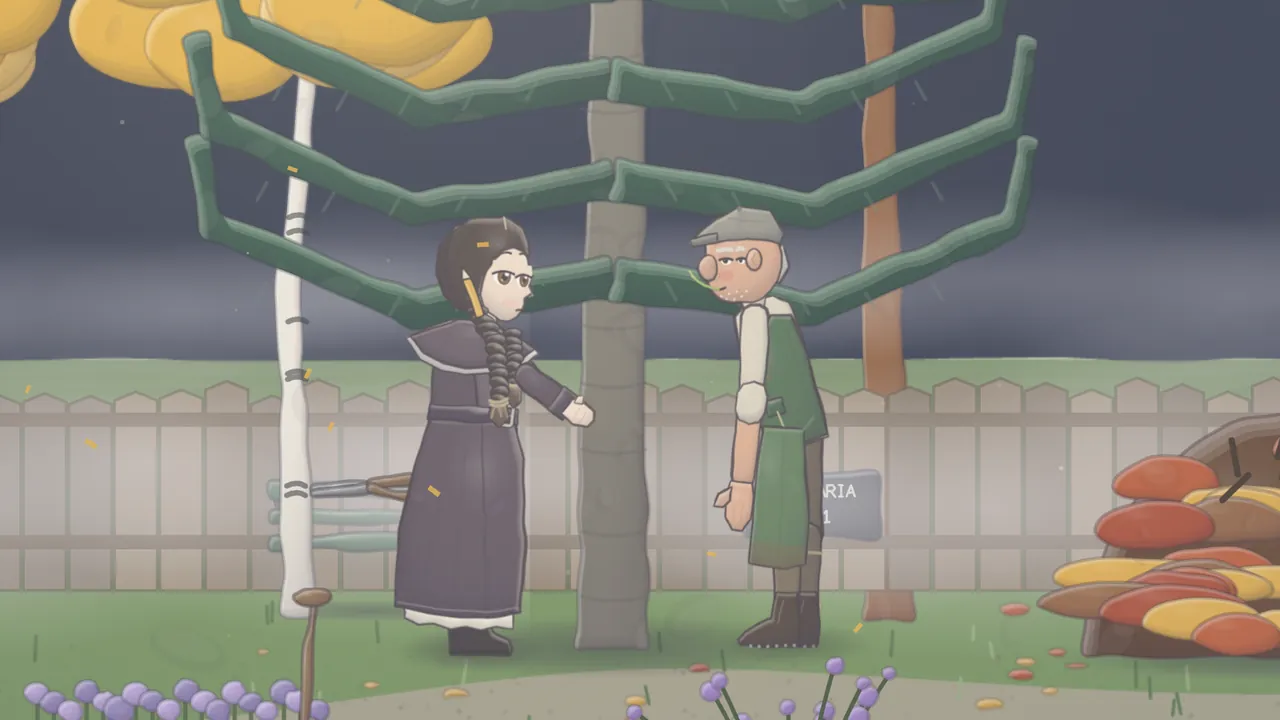
Botany is on Hatch’s side. Monkey puzzles usually grow as separate male and female trees. Only females make the big round cones, 12 to 20 centimeters across, with about 200 seeds inside. Males make pollen and no seeds at all. And even a female takes 30 to 40 years to bear seed. So whatever Daina is holding, it didn’t drop from Hatch’s gentleman. Where it did come from is for the game to tell.
At home on the lower slopes of the Andes in Chile and Argentina, the tree matters. The Pehuenche people are named after it, from pewen, the tree, and che, people, and their food was built on its seeds. It is the national tree of Chile. It can live for more than a thousand years, which makes Daina’s line at the trunk sound modest: “He’s older than this building. Show some respect.” Since 2013, the IUCN has listed it as Endangered.
Meet the tree yourself
The prologue and the first two chapters of Fernevale are free to play in your browser at fernevale.com. The full game, all six chapters, is $9.99, paid once. More about the game is on its Fernevale page.