Turbo Pudding
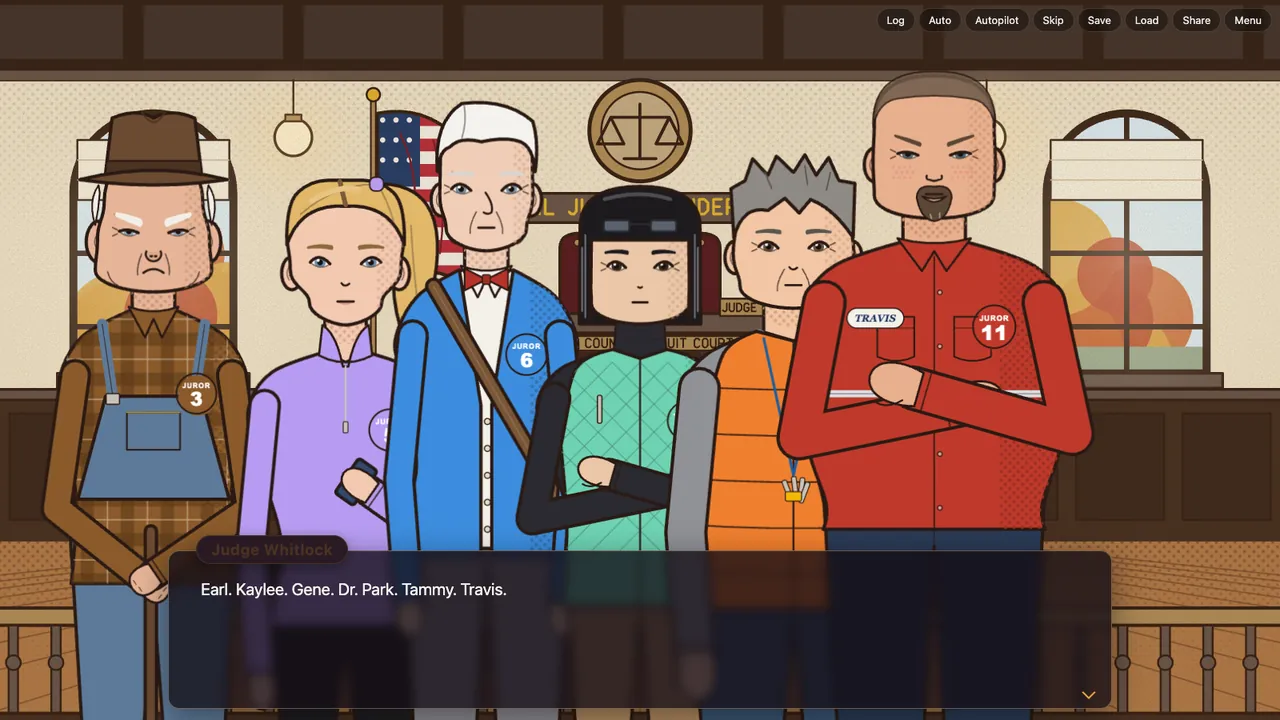
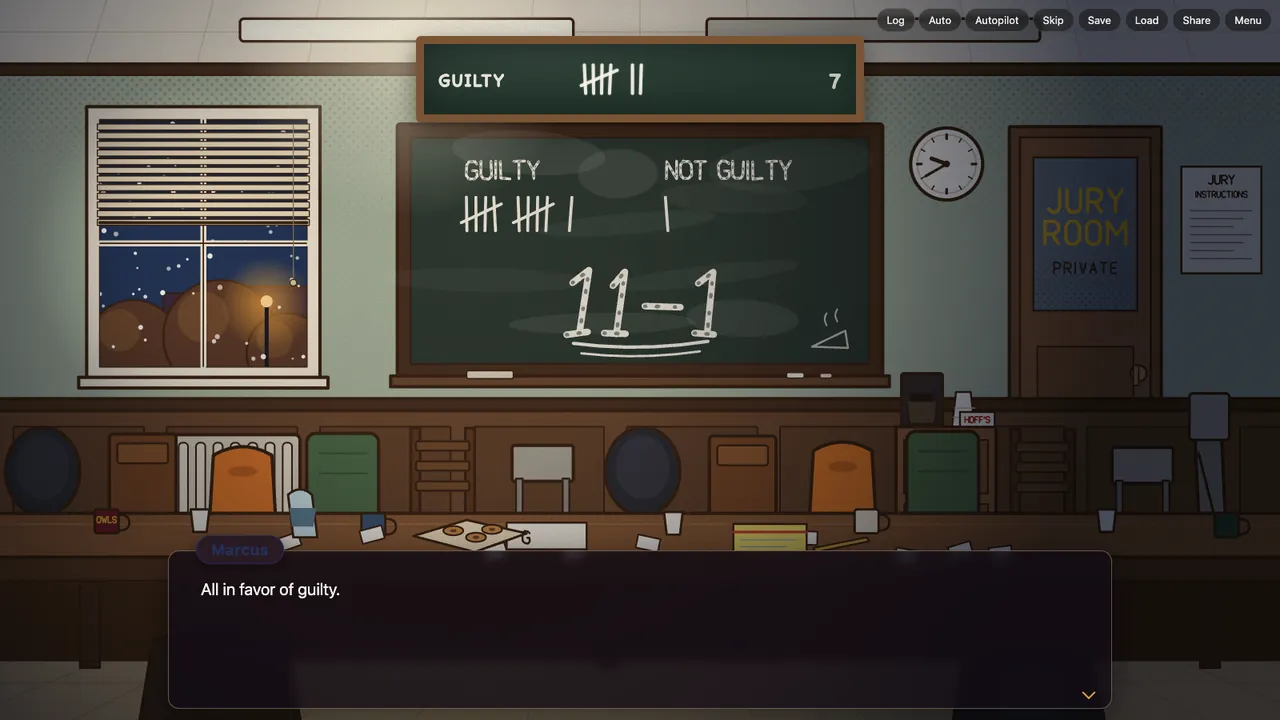
Twelve Neighbors opens late at night in a jury room. Eleven hands are up for guilty, one stays on the table, and every head turns to Juror Seven. Then the story jumps back seven weeks, to a jury summons stuck on a fridge. Harrow and Lark County are made up, but the way their jury comes together follows real American practice. Here is the real story behind chapter 1.
A right written into the Constitution
The jury comes from the Sixth Amendment to the US Constitution. Anyone accused of a crime is entitled to “a speedy and public trial, by an impartial jury of the State and district” where the crime was committed. That last part is why a trial is normally held where the crime happened, and why in a small town the jury is made of the people who live there.
The letter on the fridge
Nobody volunteers. Federal courts draw names at random from voter lists, and many add lists of licensed drivers. The people drawn get a questionnaire to return within ten days, and those who qualify can be summoned. State courts run their own systems, but the idea is the same: a random slice of the community, called in far greater numbers than will ever sit.
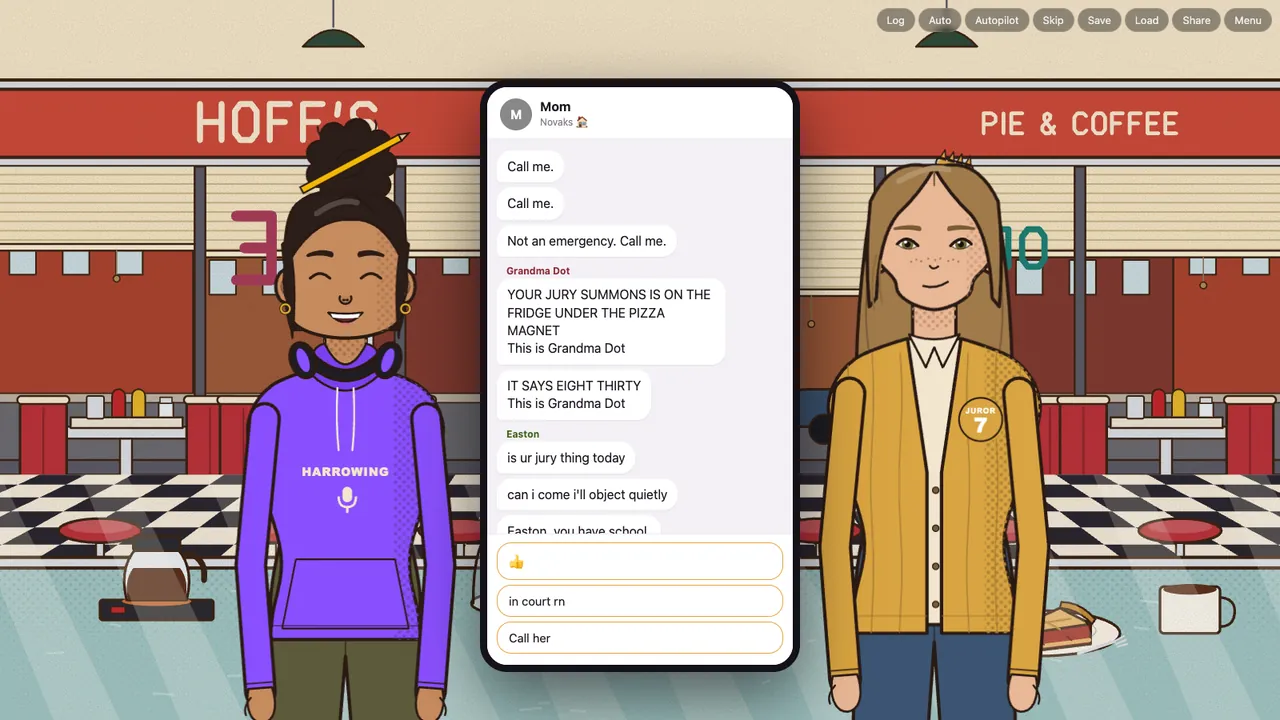
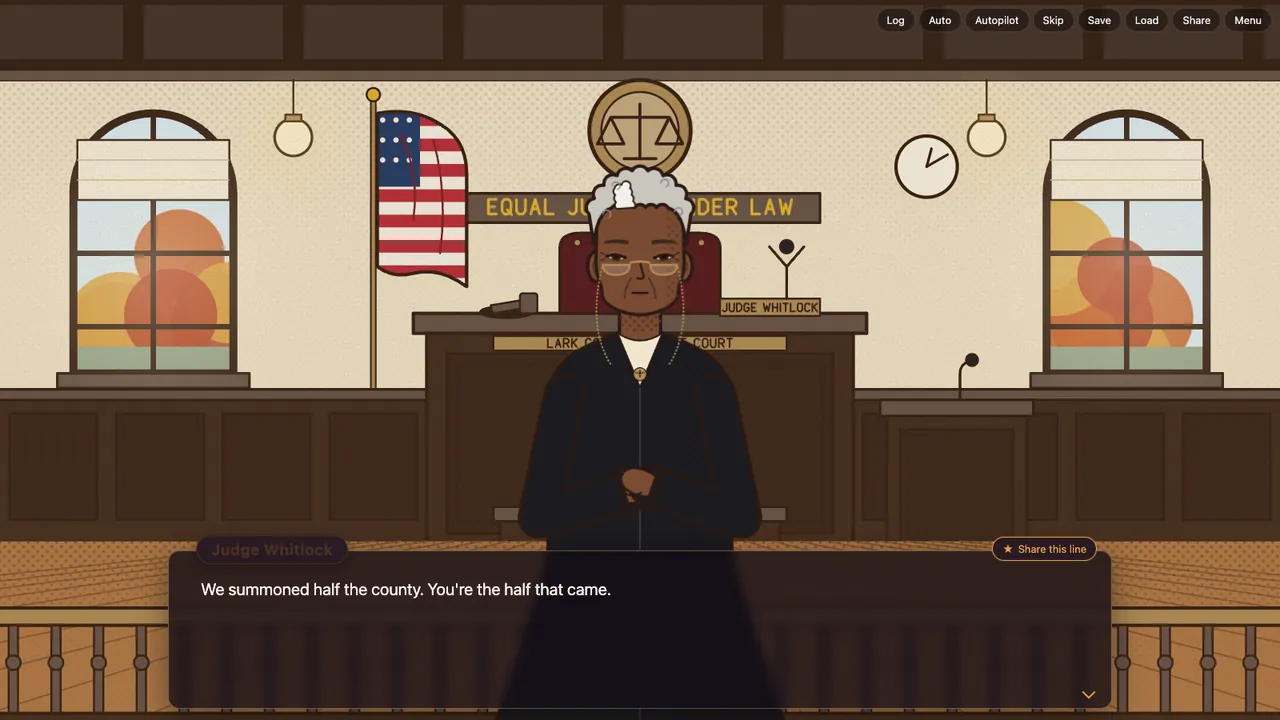
Judge Whitlock puts it more bluntly. Forty people sit in her gallery out of roughly three hundred the court summoned.
Speaking the truth
Choosing a jury from that crowd is called voir dire, an old legal phrase courts translate as “to speak the truth”. It starts on paper. Question 14 on the Lark County form asks whether you know the defendant or anyone involved in the case. In Harrow every hand in the gallery goes up, and Earl Becker raises both. Then come the lawyers’ questions: name, job and, forty times over, “Can you be fair?”
Free strikes and strikes with a reason
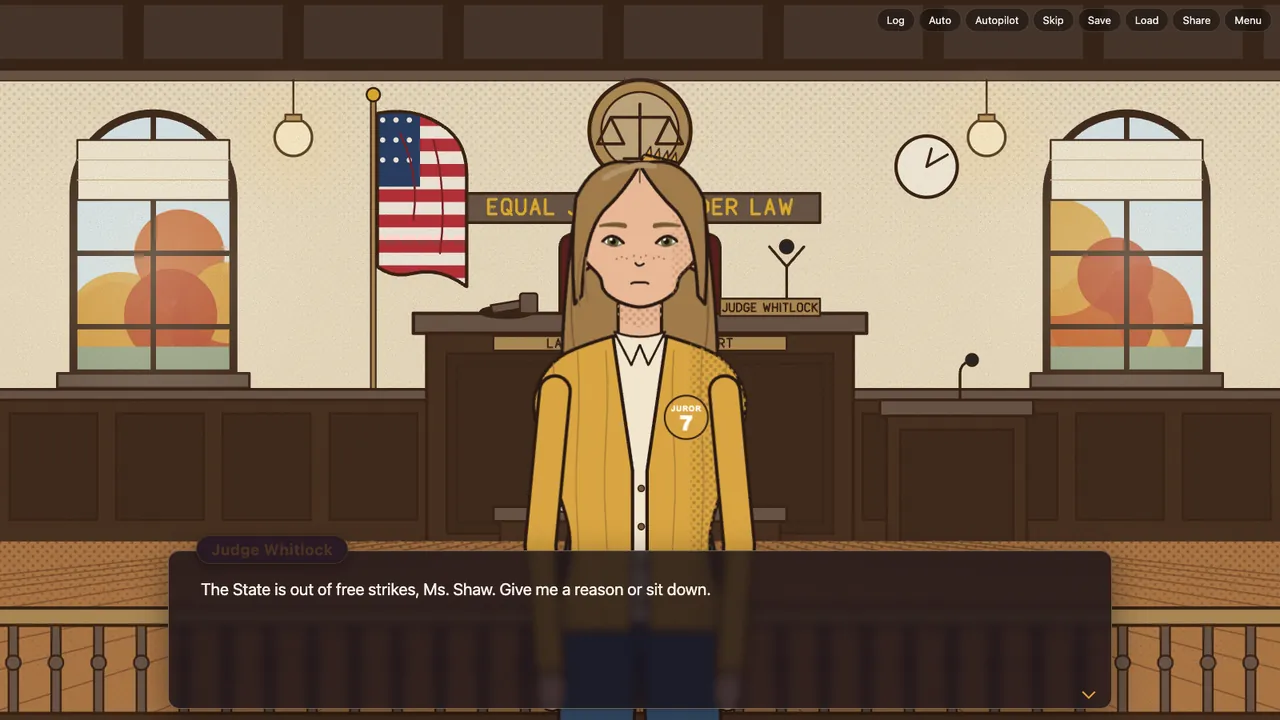
Lawyers can remove people from the panel in two ways. A challenge for cause needs a reason the judge accepts: the person is too close to a witness, say, or has already made up their mind. A peremptory challenge needs no reason at all, but each side gets only a few. In a federal felony trial the prosecution has six and the defense ten. When the government seeks the death penalty, each side gets twenty.
Even free strikes have limits. In Batson v. Kentucky in 1986, the Supreme Court ruled that a prosecutor cannot strike jurors because of their race.
Neighbors or strangers?
When a town has heard too much about a case, a court can move the trial elsewhere. This is called a change of venue. In 1966 the Supreme Court ruled that an Ohio doctor, Sam Sheppard, had not had a fair trial: the press coverage had been enormous, the trial had not been moved away from it, and the jury had not been kept apart from it. In federal court, only the defendant can ask to move a trial because of local prejudice.
Twelve Neighbors turns that around. In Harrow it is the prosecutor who asks to move the trial, again, while the defense lawyer says Russ wants his neighbors. The judge says no. With a true-crime podcast about the case already running in town, you can see why the jury rules that follow matter.
Two spares and an oath
Courts also pick alternate jurors, who hear the whole trial in case someone has to leave. Federal rules allow up to six. They step in in the order they were picked, and if the jury has already started deliberating, it has to begin again. Lark County takes two: number thirteen, Owen Kessler, and number fourteen, Doreen.
Then the rules. Jurors may not discuss the case, look it up or post about it, and federal courts advise judges to repeat that warning throughout a trial. Judge Whitlock keeps it short: “Phones in the basket. Gossip at the door.”
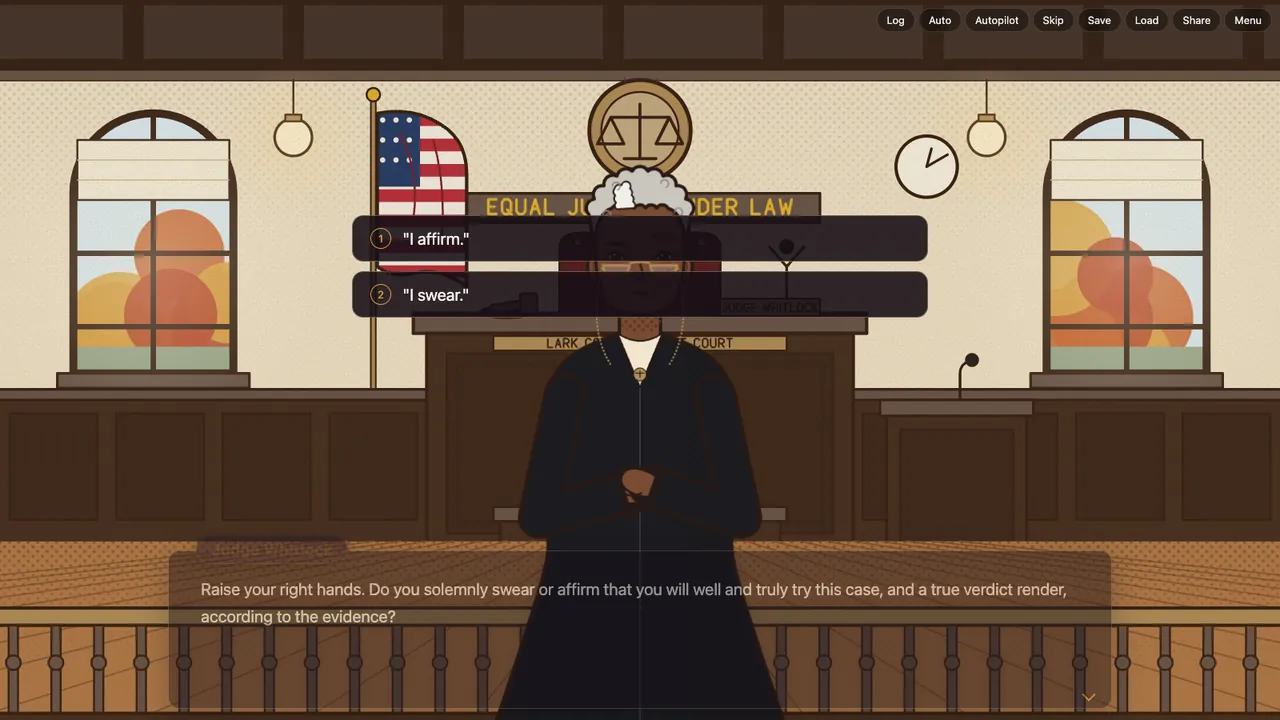
The oath gives a choice, and so does the game: swear or affirm. Affirming is for people who would rather not swear. Even the President’s oath in the Constitution reads “swear (or affirm)”.
Why eleven to one is not a verdict
A federal criminal jury has twelve members. States may use smaller ones: the Supreme Court has allowed six, but not five. For a serious crime, the vote to convict must be unanimous. Until 2020, Louisiana and Oregon accepted convictions on a vote of ten to two. That year, in Ramos v. Louisiana, the Supreme Court ruled that the Sixth Amendment requires a unanimous vote in state courts too.
So eleven votes for guilty are not enough. If the jury cannot agree, the judge declares a mistrial and the case can be tried again from the start. That is why everybody in that jury room is looking at Juror Seven.
Chapters 1 and 2 of Twelve Neighbors are free to play in your browser at twelveneighbors.com. More about the game is on its Twelve Neighbors page.