Turbo Pudding
It’s Tuesday, so here’s a level secret. Now and then in Fernevale, right after Daina answers someone, a short note at the top of the screen says who “will remember that.” Only a handful of answers get one. The game keeps far more. Here are five small answers that come back chapters later, and only one of them gets a note.
Candid or evasive
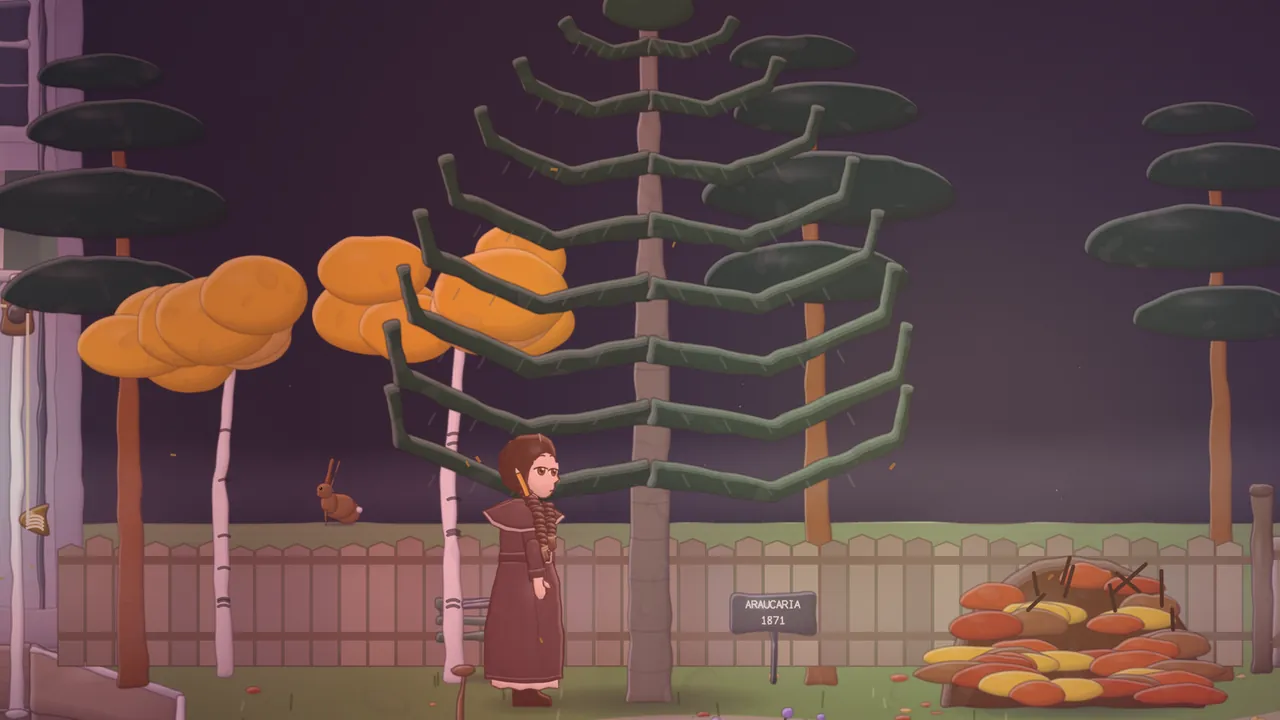
In chapter 1, once the glass tube in Dr. Fell’s consulting room glows steady, Daina sees trees inside it. Dr. Fell asks what she sees and reminds her to be honest, since it’s for science. Tell him about the forest, and he writes down “Patient candid.” Call it a nice restful glow, or make a joke of it, and he writes “Patient evasive.”
He doesn’t forget. The next morning, he looks over her chart. If she was honest: “You were candid with me, Miss Ozola. I’ve written so to your father.” If not: “Six months is a long time to be evasive, Miss Ozola. Rest.”
A note on the night table
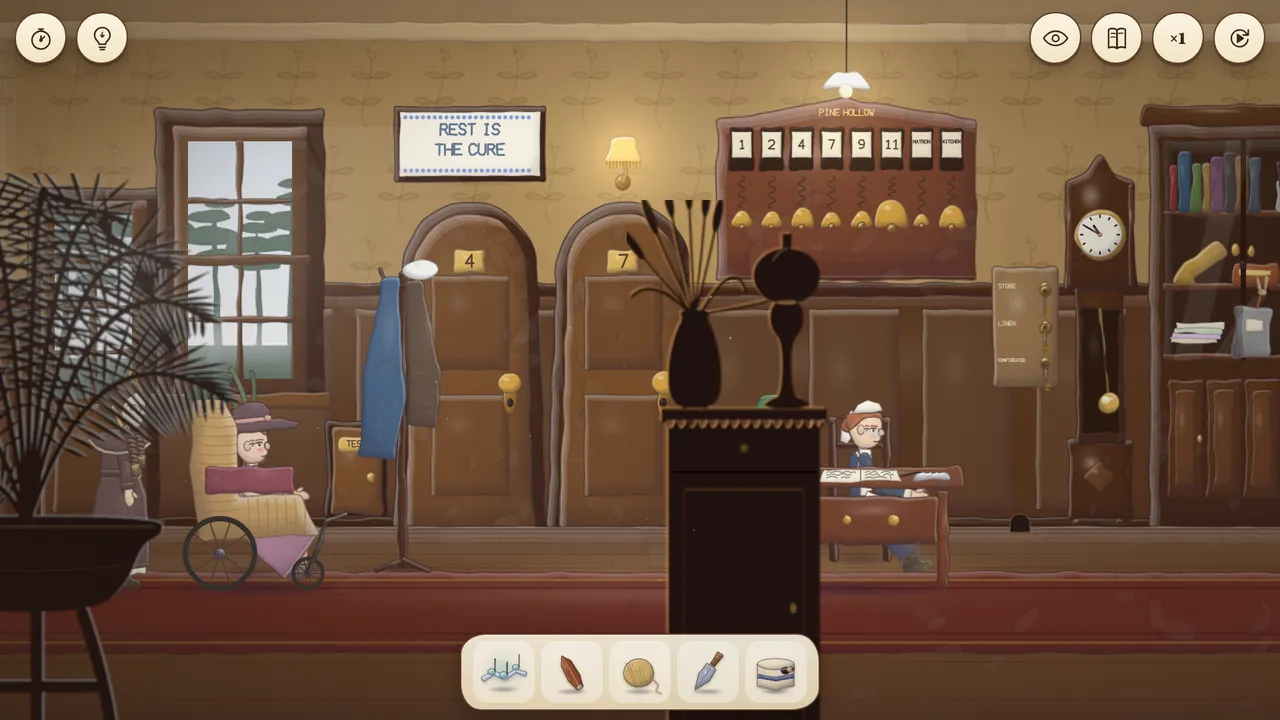
Before Daina can slip out in chapter 2, she has to leave Dr. Fell a note on the night table, in one of two versions. The honest one says, “I’m not running from you. I’m running to him.” The other says she has gone to her aunt’s, and Daina calls it “A lie with good manners.” This is the answer that gets a note at the top of the screen.
At the gate, Sister answers according to the note. After the honest one: “I read notes too, lass. ‘Running to him.’ Aye.” After the other: “No. You’re running to something.”
The note comes back once more in chapter 8. On Christmas Eve in Brazil, Daina sits down at the porch table to write another one, and if the first was honest, she thinks, “Second note this year. Same truth, nearly.”
A napkin on the hatch cover
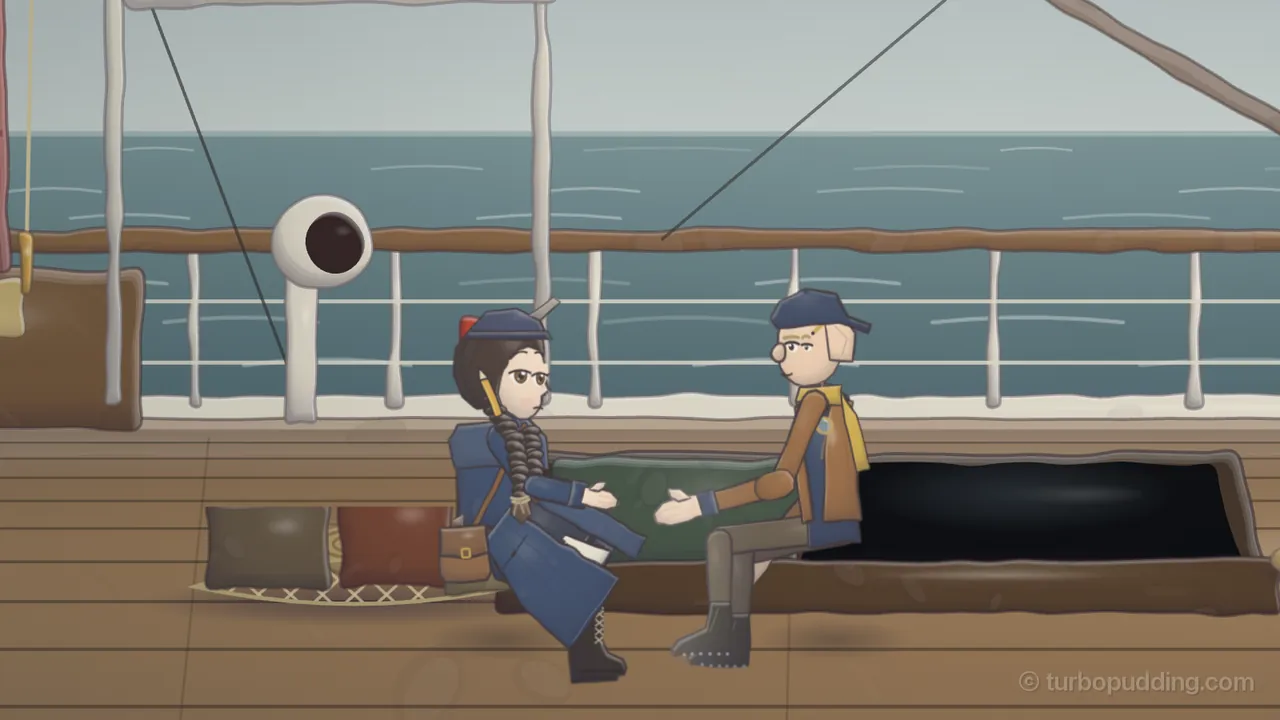
On the steamer in chapter 3, Daina and Teo sit on the hatch cover. Teo draws the winch on a paper napkin, and Daina draws on the other half: tall trees with their arms up and a round window high in one of them. Teo asks what that is. She can say, “Something you can’t draw to scale,” fib with “Just trees. Surrey. Very dull,” or tell the truth: “A forest I dream about. Every full moon.” After the truth, Teo tucks the napkin into his breast pocket. “I’ll keep that. For scale.”
No note pops up, but Teo remembers in four more places. At Riga customs, his goodbye depends on the napkin, from “Good luck with your mood, Miss Ozola” to “Give my regards to the trees of Surrey!” In chapter 4, when he brings a motor car to Daina’s father, he asks after the mood, jokes about Surrey or, after the truth, says he showed her drawing of the net to the foreman, who asked who the engineer was. What did Teo tell him? “Practically her.”
Later, the motor car asleep in its garage reminds her: “Machines don’t dream. Teo said so.” And when she wakes Teo there in chapter 6, his first words depend on the napkin: “You were rude to me in Hull. I’m helping out of spite,” “You were polite to me once. It was unsettling. Get in,” or, after the truth, “The forest business? Two minutes. Gloves.”
Up or in braids
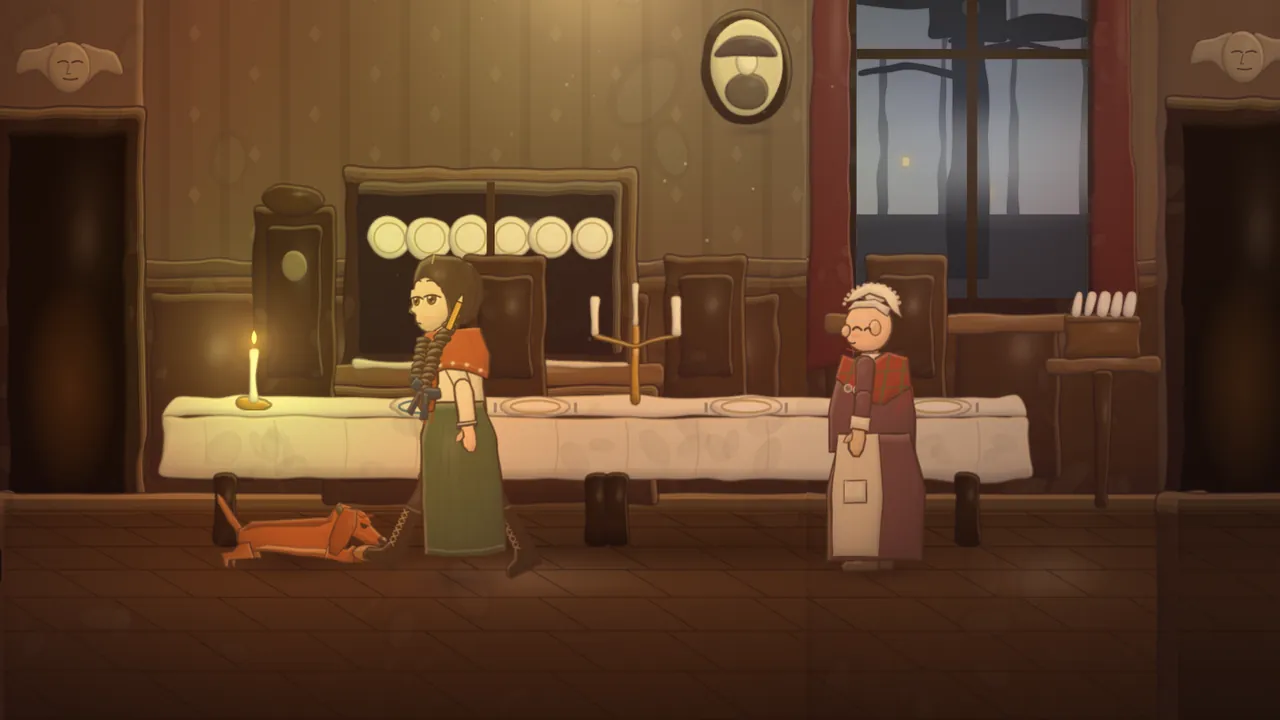
In chapter 4, with Father home for supper, Daina stops at Mother’s mirror in the hall: “Do something with your hair, she says. As if he’ll shout at the hair.” She can put it up or keep her two braids, and whichever she picks stays that way to the end of the game.
People notice. At supper, if it’s up, Father begins, “Your hair. You look like—”, then clicks his watch and says, “Eat.” If she kept the braids, he notices that too, and she answers, “Some things I keep.” In chapter 6, Father’s clerk in Libau mentions it first thing. In Brazil, Made takes one look. With her hair up: “Hair up like a Riga lady. It’ll come down.” With the braids, she says her own girls wore them just the same.
A cup of chimarrão
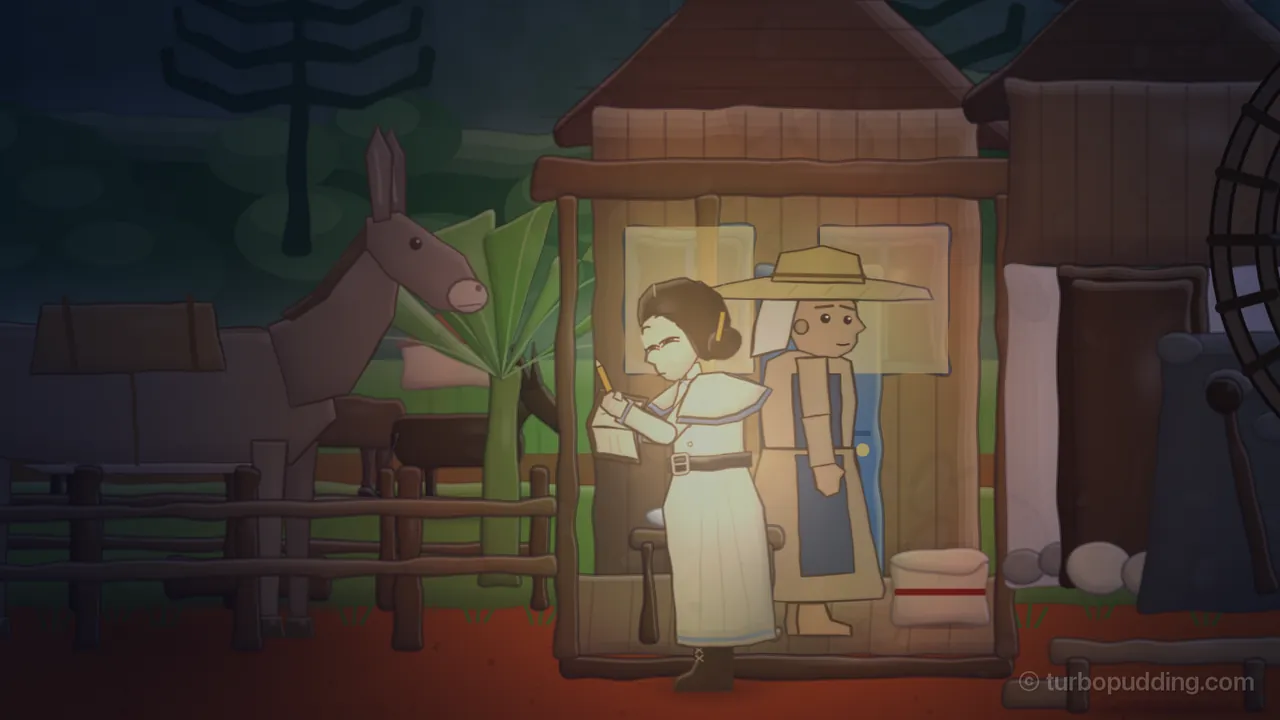
On Christmas Eve in Rio Novo, Daina goes to the corral to ask Seu Bento, a tropeiro, or mule driver, to take her up into the mountains. Seu is a friendly way to say Mister. Before she can ask, he offers her chimarrão, the bitter maté tea drunk from a gourd: “Bitter, like the road.” Drink it, and she makes a face, and Bento is delighted: “Moça drinks like a tropeiro.” Moça means “young woman.” Say no, and he shrugs: “More for me.”
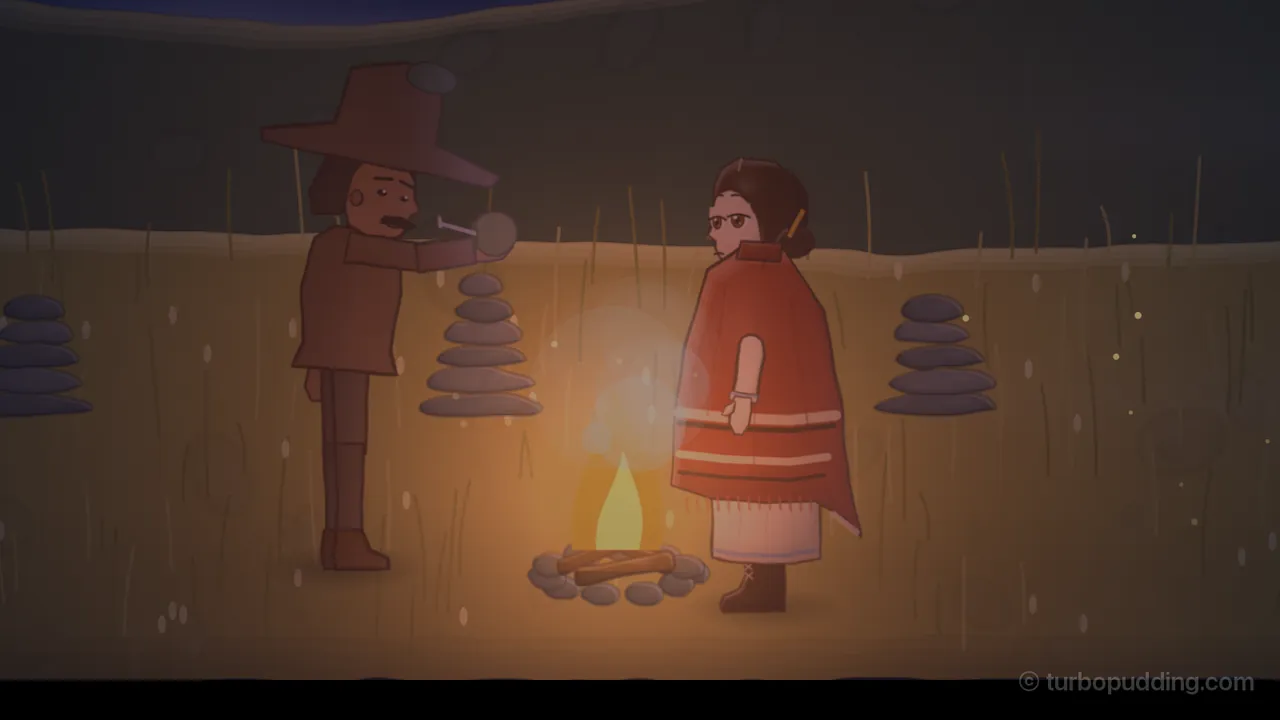
Up on the pass in chapter 9, Bento has wrapped Daina in his poncho, and he hasn’t forgotten. If she drank, he holds out the gourd, “Another, tropeiro?”, and she makes the very same face. If she didn’t: “Still no maté? The mountain will teach you.”
The prologue and the first two chapters, the glass tube and the note included, are free to play in your browser at fernevale.com. The full game is $9.99, paid once. More about the game is on its Fernevale page.