Turbo Pudding
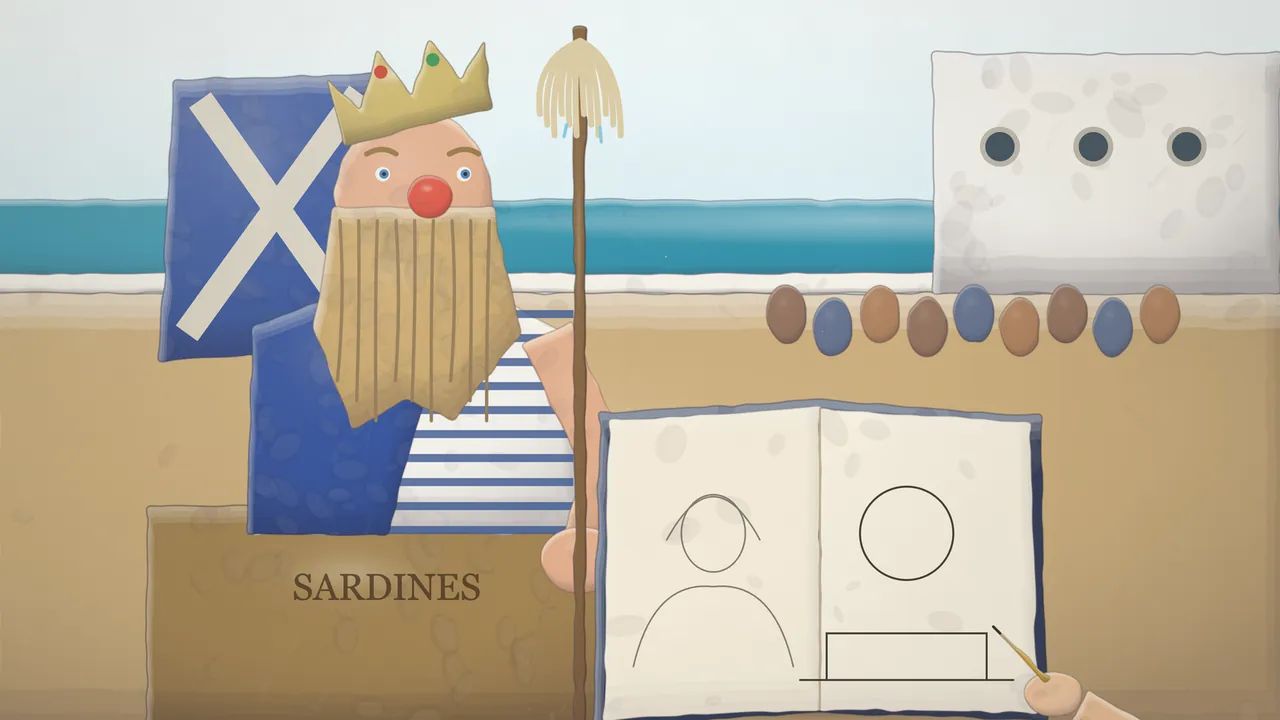
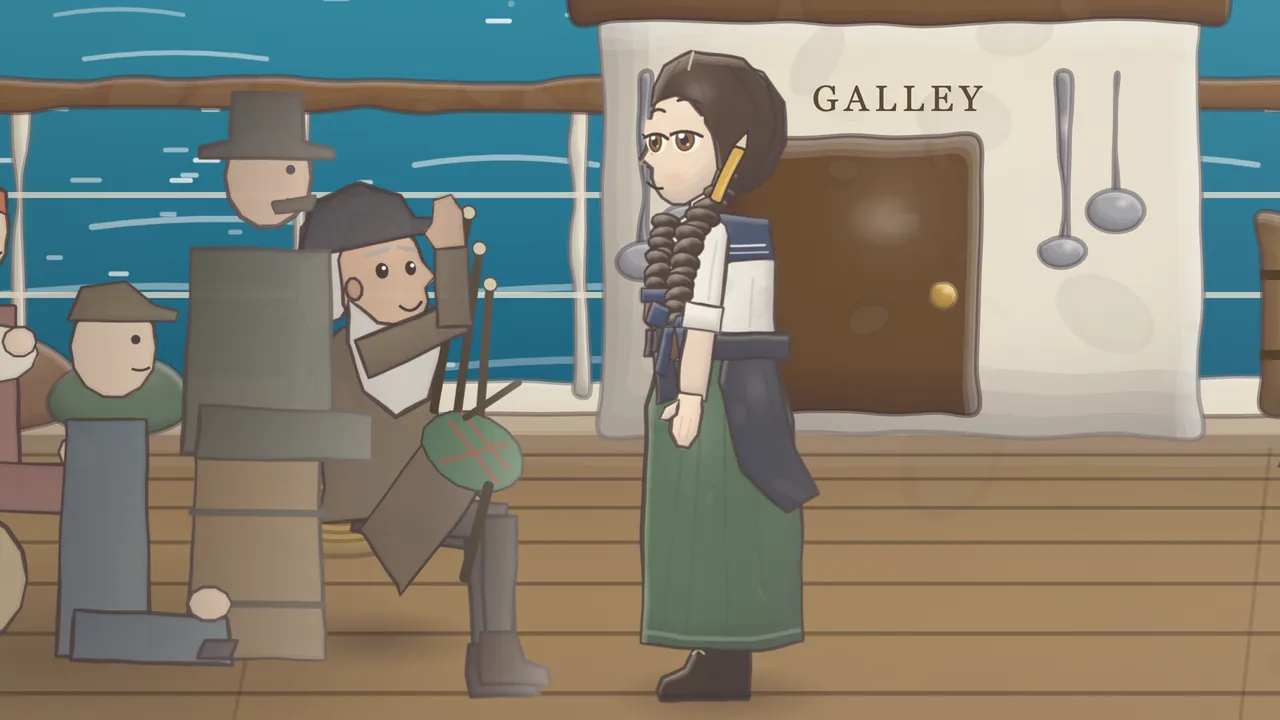
Chapter 7 of Fernevale is called Crossing the Line. It’s 1 December 1911, white noon, and the ship Südstern is close to the equator. On the third-class stern, somebody has rigged a barrel of seawater and a throne of crates, and nobody will say what for. Then a drum rolls, and King Neptune arrives with his court. This Thursday, the real tradition behind that scene.
What the Line is
To sailors, the Line is the equator. The line-crossing ceremony is an initiation rite that marks a person’s first crossing of it, and the host is usually King Neptune himself, played by a member of the crew. Navies hold it, merchant ships and sail training ships hold it, and ocean liners and cruise ships sometimes stage it for their passengers.
Nobody knows exactly where it started. Robert FitzRoy, the captain of HMS Beagle, thought it grew out of older ceremonies on Spanish, Portuguese and Italian ships when they passed well-known headlands. He also thought it was good for morale, which is the kindest way to describe a day spent soaking your shipmates.
A tub, and a way out of it
The barrel in our scene is an old prop. In April 1685, a French writer, François-Timoléon de Choisy, crossed the equator on a ship called the Oiseau, bound for Siam. He wrote that the sailors who had already crossed lined up next to a tub of water, and everyone who hadn’t was supposed to be dipped in it.
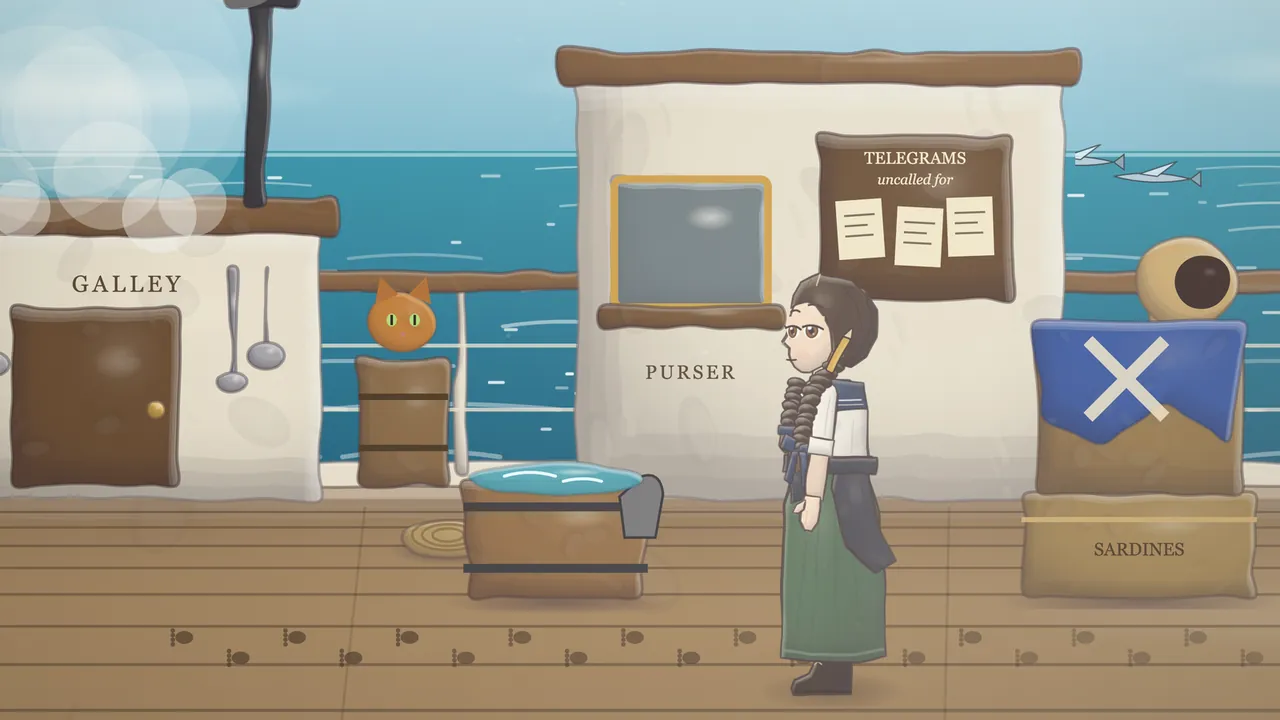
There was a way out. The ambassador on board promised, with his hand on a map of the world, to honor the ceremony if he ever crossed again, and dropped a handful of silver into the basin to stay dry. The officers did the same. Nearly sixty crowns were collected and spent on refreshments for the crew. The rest of the newcomers went into the tub.
Daina gets the same offer, with one problem. “Your Majesty, I have no money,” she tells the King. “Then the razor!” he answers. So she pays the toll in the only currency she has, a pencil, and offers His Majesty a portrait.
Everyone on the list
In 1768, on the Endeavour, the ship James Cook took to the Pacific, Joseph Banks watched the crew draw up a list of everyone on board, cats and dogs included. Each name was asked whether it had crossed the Line. Anyone who hadn’t could give up their wine for four days or be ducked into the ocean three times.
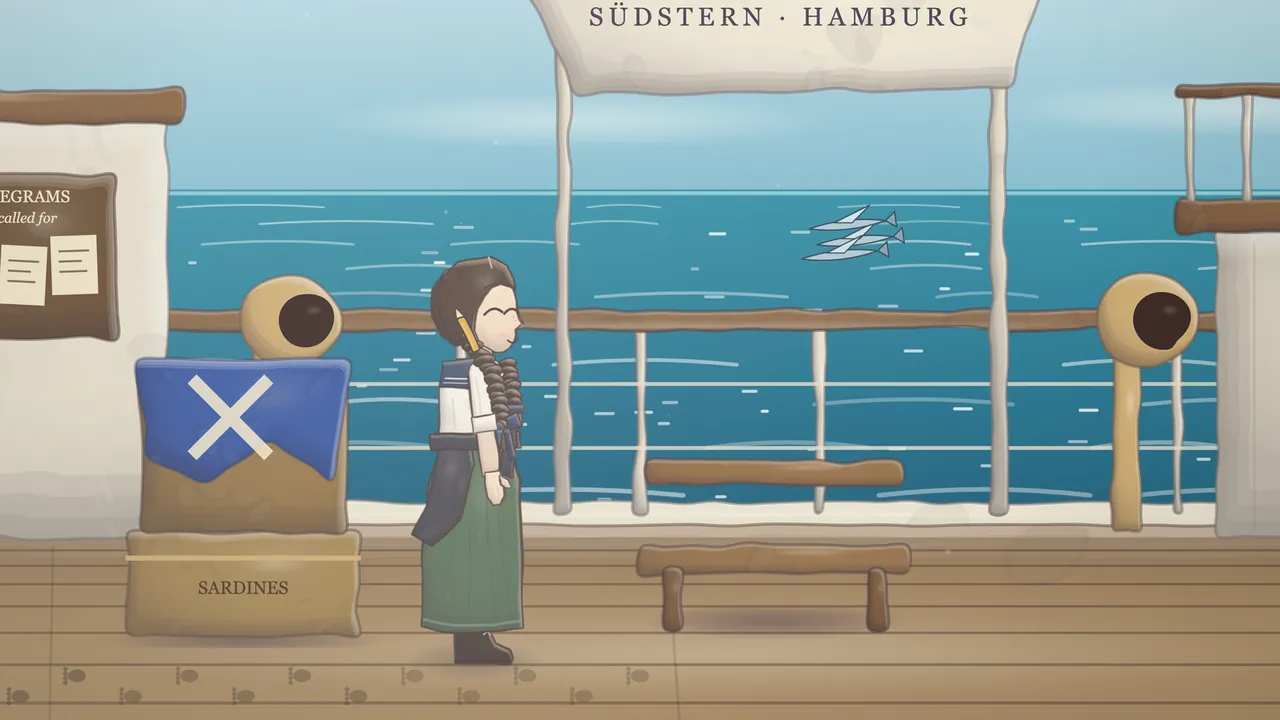
Nobody on the Südstern is left off the list either. Daina’s hedgehog, Pudding, is the reason the court comes up at all: he wanders off to the galley and comes back in the cook’s ladle. Neptune’s ruling covers them both: “Shave her! And the sea urchin!”
The shave
The most famous account comes from HMS Beagle in 1832. On the evening of 16 February, a Neptune hailed the ship, and Captain FitzRoy answered him through a speaking trumpet. The next morning the newcomers, called griffins, were brought up on deck one at a time, blindfolded. The first griffin was Charles Darwin.
In his diary, Darwin described being sat on a plank over a big bath. His face was lathered with pitch and paint and shaved with a roughened iron hoop, and then the plank tipped him into the water. By the end the whole ship was wet, the captain included. The Beagle’s artist, Augustus Earle, made a sketch of the scene.
Our Barber works with a wooden razor and strops it on his trouser leg, with real relish. Our artist, of course, is Daina.
Names and certificates
Navies have their own words for the two sides. In the U.S. Navy and Coast Guard, sailors who have crossed are shellbacks and those who haven’t are pollywogs. In the Royal Canadian Navy, newcomers are tadpoles, and they used to be griffins too. Neptune’s court can include Davy Jones and Her Highness Amphitrite. Cross the equator at the 180th meridian and you become a golden shellback.
In German, the custom is called the equator baptism, or the line baptism. A Neptune in costume gives each newcomer a joke name about the sea or the weather, and a certificate to go with it. The Südstern sails from Hamburg, so Daina gets both. We won’t give away the names, but here is how the certificate signs off: “All sharks, whales and stewards are to treat them kindly.” It’s signed NEPTUNUS REX, and his mark is “a trident, slightly mop-shaped.”
Over the centuries the real ceremony sometimes got rough, and most modern navies now have rules that forbid physical attacks during it. Ours keeps to a pencil, a wooden razor and a mop for a trident.
Cross the Line yourself
The prologue and chapters 1–2 of Fernevale are free to play in your browser at fernevale.com. The full game is $9.99, paid once. More about the game is on its Fernevale page.