Turbo Pudding
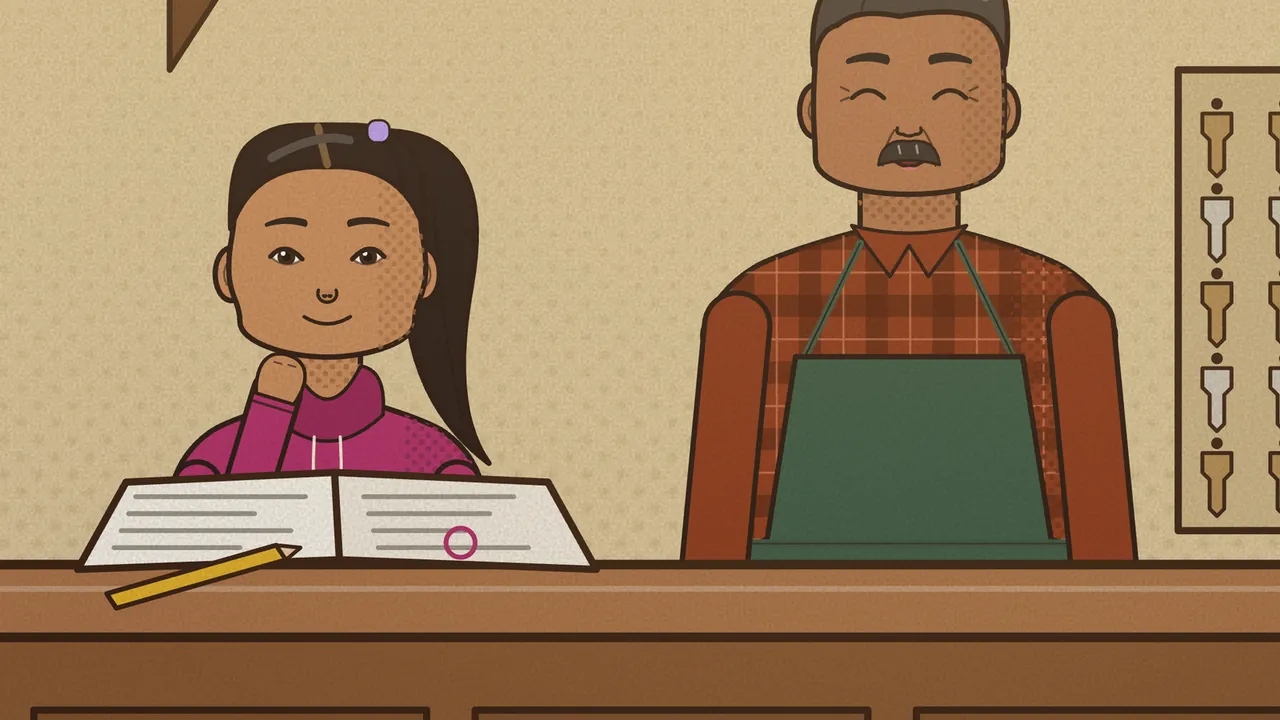
In Twelve Neighbors, your best friend is Paloma Méndez, and in Harrow you can’t know one Méndez for long without running into the rest. There’s a store on Main, a dad behind its counter, the youngest Méndez with a party to plan, a quarterback brother and a grandmother who cooks at Hoff’s. This Monday, meet the family.
The store on Main
Méndez Hardware has stood on Main Street since 1958, and it has stayed in the family ever since. Inside, there’s a pressed-tin ceiling, two green enamel lamps, a front door with a bell on a spring arm, and tall shelves of paint, rope, nails and buckets. On cold nights the heaters come out onto the floor. A brass register sits on the long counter with a jar of wrapped candy, and keys hang on a board behind it. The game sums the place up in four words: “Three aisles, one cat.”
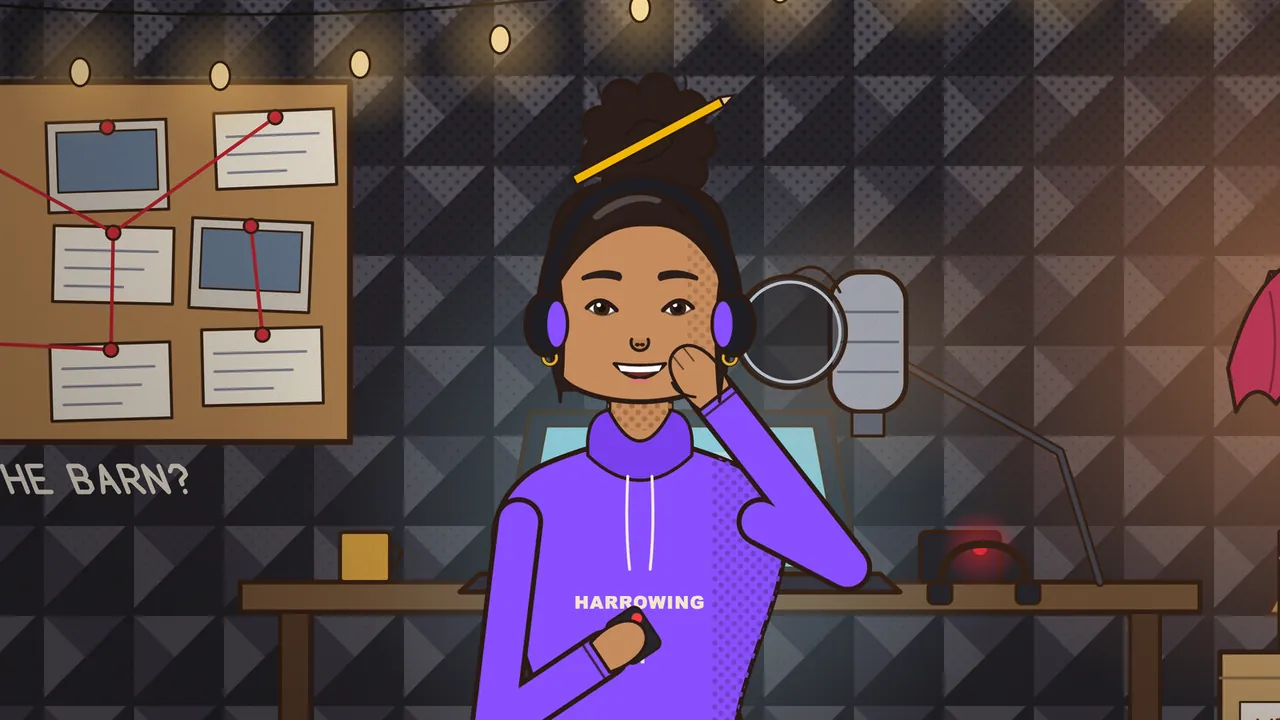
The store reaches a long way. Paloma records her true-crime podcast, Harrowing, in a closet in the family basement, among forty pounds of Méndez Hardware inventory.
Rogelio, who does the talking
Rogelio is Paloma’s dad: 56, a flannel shirt, the store apron and a salt-and-pepper mustache. The game introduces him as a man who “has never once let a customer leave without a story.”
You meet him properly in chapter 3. It’s Thursday night, your family’s furnace has opinions in October, and Grandma Dot sends you to Méndez Hardware for a space heater. Rogelio knows you’re on a jury, so he sets out his house rule at once: “Juror Seven! Don’t tell me anything. I tell you. That’s how this works.”
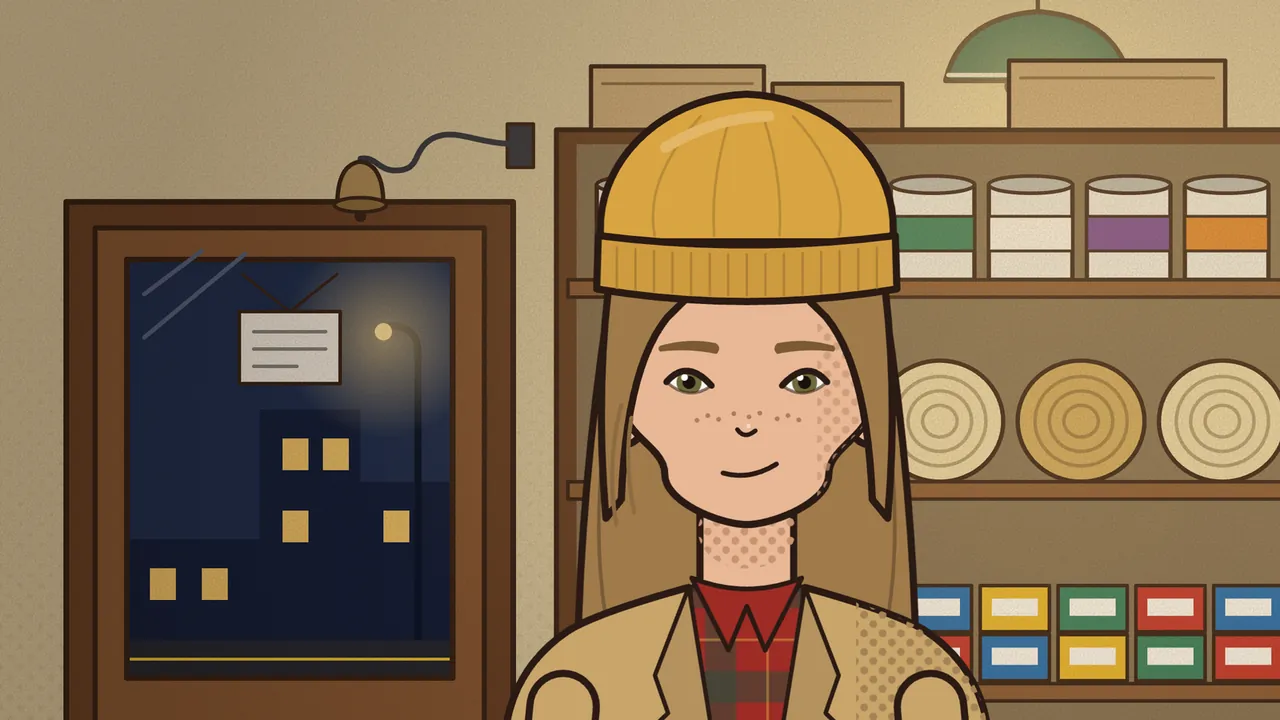
Then he does the selling, and it’s hard to argue with: “The good heater is forty-nine ninety-nine. The cheap one is twenty. The cheap one is how you meet the fire department.” You take the good one.
He even offers it on credit: “Take the heater, mija. Pay me after the trial.” Mija is a fond Spanish word, short for “my daughter.” You pay him anyway, in exact change. “He takes it like it hurts him.”
Ximena, with an X
The youngest Méndez is Ximena, 14. In the store she sits behind the counter in a pink hoodie, her ponytail held with a purple clip, her chin on her hand over an open textbook.
You first meet her at the homecoming parade. She rides the freshman float, a papier-mâché owl, and “throws candy off it like it owes her money.” From the float she invites you: “Come to my quinceañera! Spring! If the trial’s over!” A quinceañera is a big party for a girl’s fifteenth birthday. She also has a complaint about the parade announcer, who called her “Zy-MEE-na” again: “It’s ‘hee-MEH-nah’! With an X! Don’t ask!”
Ximena doesn’t forget a guest list. In the store, she turns up at your elbow “with a stack of envelopes and the stare of a tax collector.” “I asked you at the parade. To my quinceañera. You didn’t say no, so I wrote you down in pen.” She adds a family update: “If the trial’s over by spring. Paloma says you might be in jail for contempt.”
You promise to be there with bells on. Ximena has already thought of that: “No bells. It’s a theme. You’ll get a card.”
Mateo, number 12
Mateo is 16 and 178 centimeters tall, and he’s drawn in a letterman jacket. On Friday night he’s the Owls’ number 12, with his helmet under his arm. His sister has a prediction about him: “Mateo’s going to throw up before halftime. It’s tradition.”
Then Mateo “throws it forty yards into the end zone, and three thousand people forget, for nine whole seconds, what night it is.” At the pie contest, he and Landon Gentry fight over the last donut by the cider urn.
Miss Espe
Esperanza Méndez, 72, is Paloma’s grandmother. To you, she’s Miss Espe. She stands 150 centimeters tall, with big round glasses, and she has been the cook at Hoff’s for thirty-eight years.
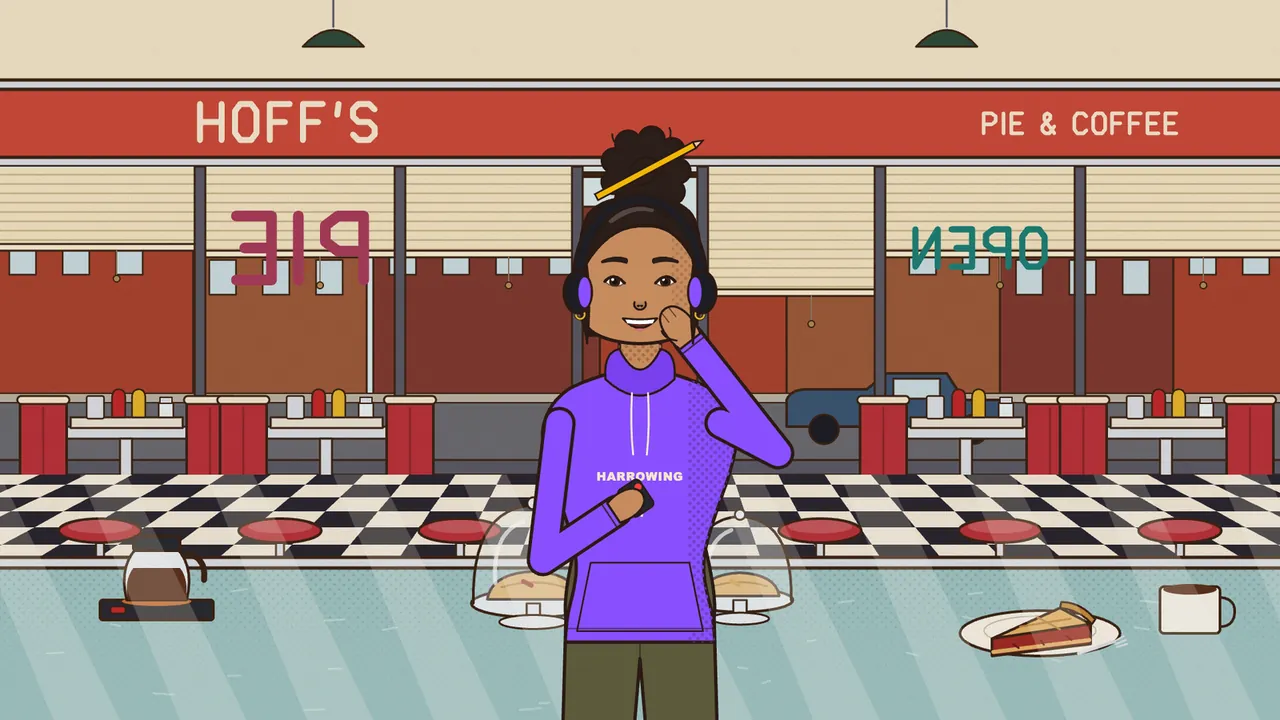
She has one note for her granddaughter’s podcast. In chapter 1, Paloma is recording at Hoff’s, and Miss Espe tells her: “Paloma. Apágalo. Eat first.” Apágalo means “turn it off.” Paloma answers: “Ay, Abuela. It’s a podcast. Not a crime.” Abuela is Spanish for grandma.
At the Harvest Festival, Miss Espe runs the tamales tent in a marigold sweater, an apron and a red knit hat. She hasn’t given up on that microphone: “She never turns it off. Like her grandfather with the radio.” She is also getting ready for the Day of the Dead, Día de Muertos in Spanish: “I need flowers by the bucket. My Ignacio liked them loud.”
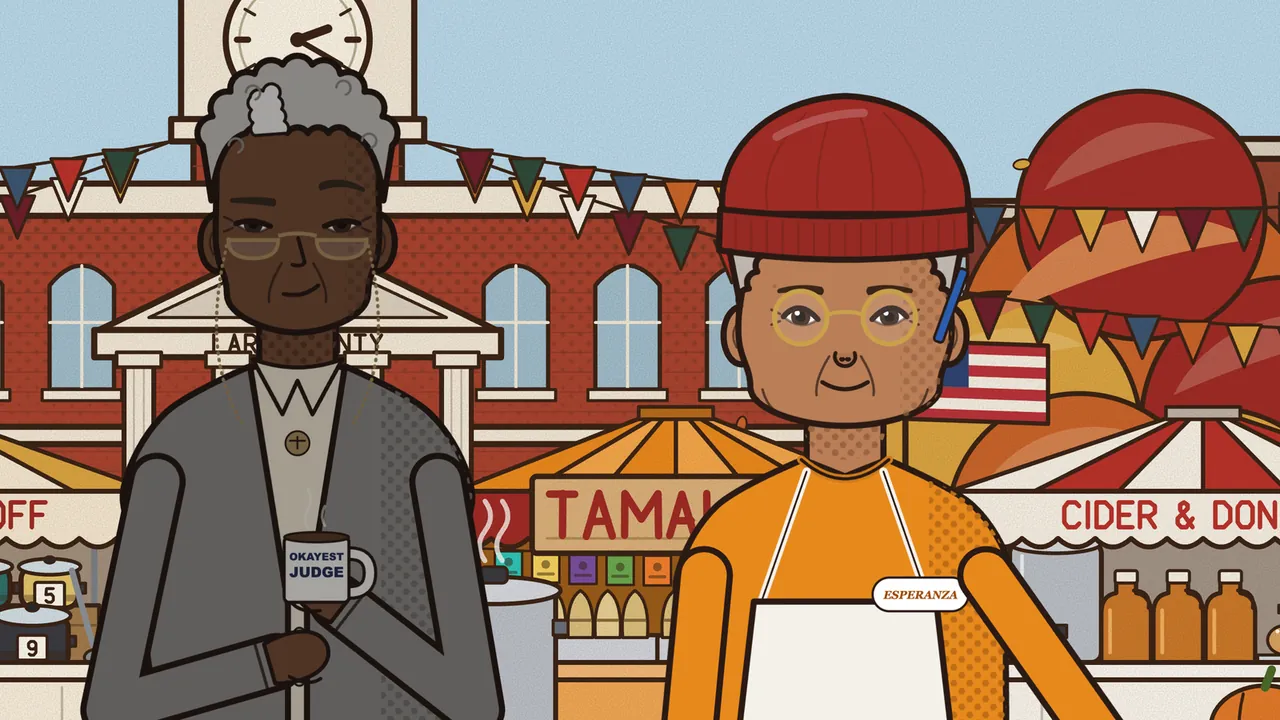
Even the judge has a usual at her tent. When Judge Whitlock steps up behind you in line, Miss Espe greets her like a regular: “Your Honor. The usual?”
Visit the Méndezes
Chapters 1–3 of Twelve Neighbors, the hardware store and the Harvest Festival included, are free to play in your browser at twelveneighbors.com. The full game, all seven chapters, is $9.99, paid once. More about the game is on its Twelve Neighbors page.